In a nutshell…
The intertwined challenge of reducing emissions while protecting and restoring the natural systems that sustain life, community wellbeing, and regional resilience. Addressing them requires a science-led transition to net zero alongside strong protection of forests, waterways, biodiversity, and local environments, recognising their critical role in disaster resilience, economic stability, and a healthy future.
Climate Change and Nature
Introduction
As Community Independents, our policy prioritizes a science-led response to the climate and ecological crises, ensuring a healthy, resilient future for our region. We support a rapid, equitable transition to net-zero emissions by scaling up renewable energy and storage, and improving energy efficiency.
We advocate for the protection and restoration of local natural environments—including native forests, waterways, and green spaces—recognizing their vital role in carbon sequestration, biodiversity conservation, and community well-being. This includes strengthening legislation and regulations to protect high-value environmental areas. We will ensure local communities have a strong voice in shaping adaptation and mitigation strategies, fostering local jobs in the green economy, and promoting sustainable land management practices.
What are the major parties are doing?
Both major parties have a poor track record in tackling the challenges relating to nature and climate. Labor’s executive actions to push out fossil fuel production, including extending existing licenses to 2070CE, and approving new gas and coal extraction for export markets is irresponsible and brings no benefit to Australian consumers of energy and communities.
Meanwhile, the Liberal and National Party back-flips on Net Zero and the consequent mis and dis-information campaigns they are running to justify the themselves are acts of madness and planetary vandalism.
There is a strong sense that all major parties are marching to a beat dictated by vested interests, albeit to varying degrees. Parliament is compromised. Independent representation is the only way to hold Government to account and shine a light on opaque shadowy processes.
Climate change impacts on Yarra Ranges
The Yarra Ranges is one of Australia’s most disaster-prone areas, with climate change increasing the frequency and intensity of extreme weather events. Key impacts include:
- Community Well-being: More frequent bushfires, floods, storms, and heatwaves lead to housing damage, power/telecommunications outages, trauma, and mental health issues. The region has received disaster recovery funding 42 times since 2006/07.
<Link to Community Well-being and security>
- Economic Strain: Infrastructure damage to roads and drainage is costly. The agricultural and tourism sectors, which rely on the region’s unique environment, face risks from changing climate suitability and weather disruptions. Increased energy costs and volatility, alongside a high natural disaster risk profile, place significant pressure on Council resources and local businesses.
A case in point, climate change impacts on the wine industry
The local wine industry is a significant employer of our region, and furthermore is one of the major drivers the thriving tourism industry. These sectors are vital to younger people and future generations.
Climate change poses a severe threat to the Yarra Ranges’, historically defined by its cool climate, and renowned for the production of world class Pinot Noir and Chardonnay. Rising average temperatures are causing grapes to ripen earlier, leading to compressed harvests and a struggle to maintain the characteristic acidity and flavour complexity.
The increasing frequency of heatwaves, storms, and bushfires damages crops and winery infrastructure. Specifically, bushfire smoke creates a risk of smoke taint, which can render entire vintages unusable and cause significant economic losses. Wineries face pressure to adapt by modifying vineyard practices, investing in new infrastructure, and potentially exploring warmer-climate grape varieties, all with high-cost implications, sometimes insurmountable.
Resilience and infrastructure investment
A re-occurring theme in Voices for Yarra Ranges listening campaigns has been community concerns about disaster responses and resilience. Insurance premiums are becoming prohibitively expensive and there is a lot of anxiety about future events given the prognostics around climate change.
Link to < disaster management and emergency services>
Our political system as it stands, dominated by the two major parties, incentivises reactionary and short-term responses and funding to these critical issues, issues that require long term strategic plans and significant investment. Strong independent representation it the antidote to neglect.
Forests, waterways and green places
The forests, waterways, and green spaces of the Yarra Ranges face multiple, interconnected threats, largely driven by human settlement and a changing climate.
Threats to Forests and Green Spaces
- Habitat Loss and Fragmentation: Historically, about 70% of original vegetation on privately owned land has been lost. Ongoing urban development and land use changes (including for agriculture) reduce and isolate remaining patches of native vegetation, impacting species movement and overall ecosystem health.
- Weed and Pest Invasion: Invasive species (both plants and animals like foxes and rabbits) are a major threat, outcompeting native flora and preying on native fauna, degrading habitat quality.
- Climate Change & Bushfire: Increased frequency and intensity of bushfires, storms, and heatwaves stress native species. For instance, repeated fires can prevent fire-dependent species like Alpine Ash from regenerating, while warmer, drier conditions contribute to tree dieback and increase pest infestations.
- Loss of Habitat Elements: The incremental loss of large, hollow-bearing trees removes critical nesting and denning sites for threatened species like Leadbeater’s Possum and the Powerful Owl.
Threats to Waterways (Rivers and Creeks)
- Water Quality and Pollution: Urban stormwater runoff carries contaminants (litter, heavy metals, nutrients from fertilisers/septic tanks, and domestic animal waste) into waterways, impacting water quality and aquatic life.
- Bank Erosion: Increased storm events and the removal of native riparian vegetation lead to bank erosion, degrading stream structure and stability.
- Changed Water Regimes: Climate change is projected to reduce overall rainfall while increasing storm intensity, affecting stream flow and temperature, which stresses sensitive aquatic organisms like stonefly nymphs.
These threats often interact, compounding the pressure on the region’s significant biodiversity, with many of the Yarra Ranges’ 1,365 indigenous flora and 375 indigenous fauna species already listed as ‘Rare’ or ‘Threatened’.
Good policy is evidence based
Good policy proscriptions must focus on large-scale conservation, climate adaptation, and integrated water management.
- Establish the Great Forest National Park (GFNP): The GFNP proposal, supported by Fenner Institute ANU research, is critical. ANU findings show that the economic value of the Central Highlands forests—for water supply, carbon storage, and tourism—outweighs native timber production.
- Creating the park will help prevent the re-instating of industrial logging of Native Forest in the Yarra Ranges and neighbouring forest; a. prctice that threatens species like the Leadbeater’s Possum and significantly depletes carbon stocks.
- Strengthen Local Planning: Implement stronger planning controls (like those outlined in the Yarra River Protection Act) to manage development pressures and protect native vegetation and wildlife corridors, especially in the Green Wedge zones and along waterways.
- Active Water & Biodiversity Management: Increase funding for riparian restoration to stabilise banks and filter runoff. Adopt science-based, longitudinal monitoring and habitat restoration plans (like Council’s Biolinks plan) to enhance ecosystem resilience against climate change and fire. This includes using Traditional Owner knowledge for land and fire management.
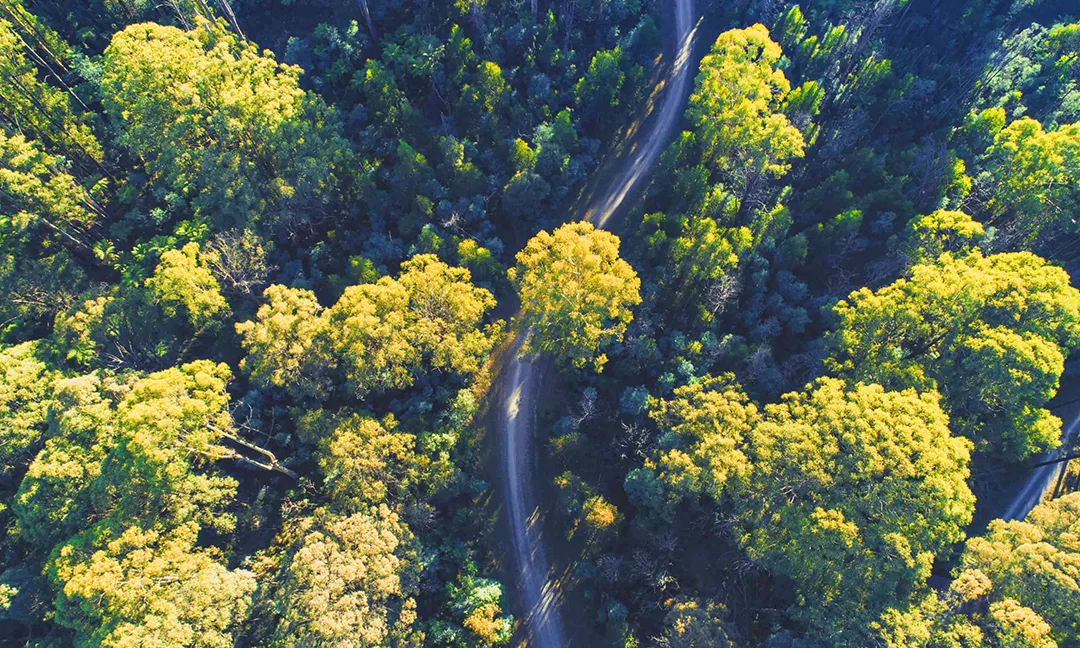
🐨 Climate change is increasing the frequency and intensity of extreme weather events
Here are the six priorities…
Priorities:
Click to learn more about what we're fighting for...

Democracy and Integrity
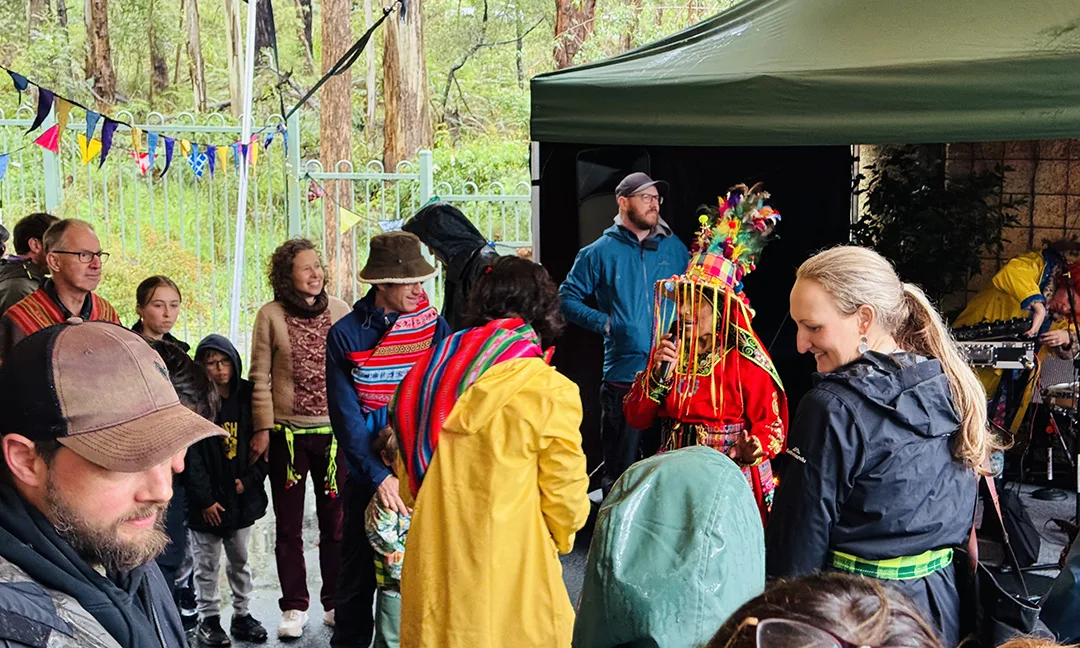
Community wellbeing and security
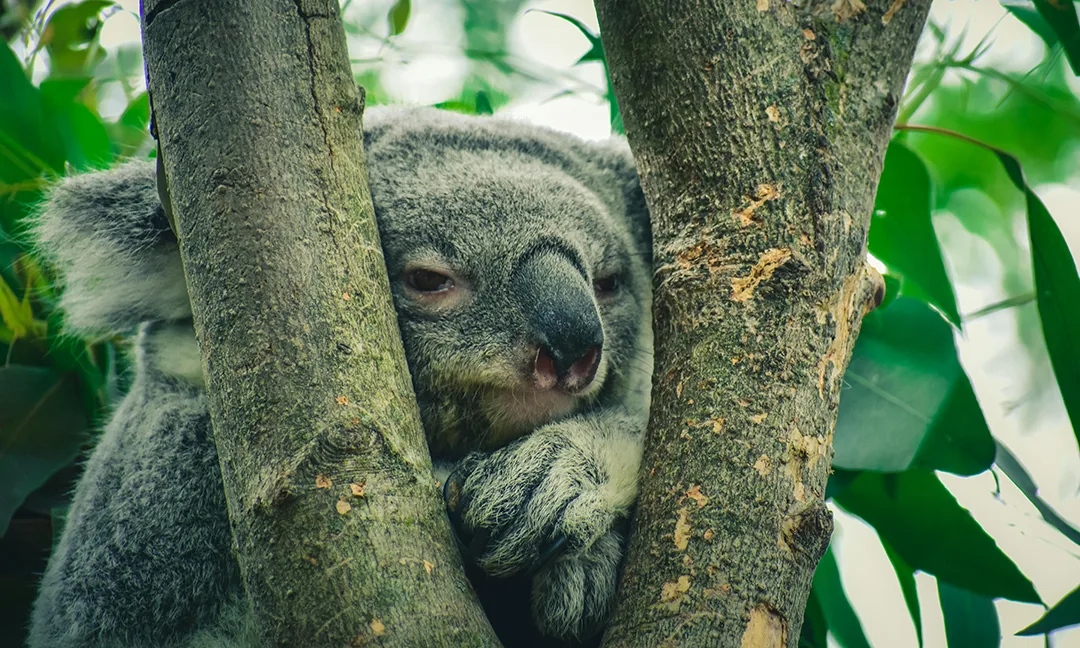
Climate Change and Nature
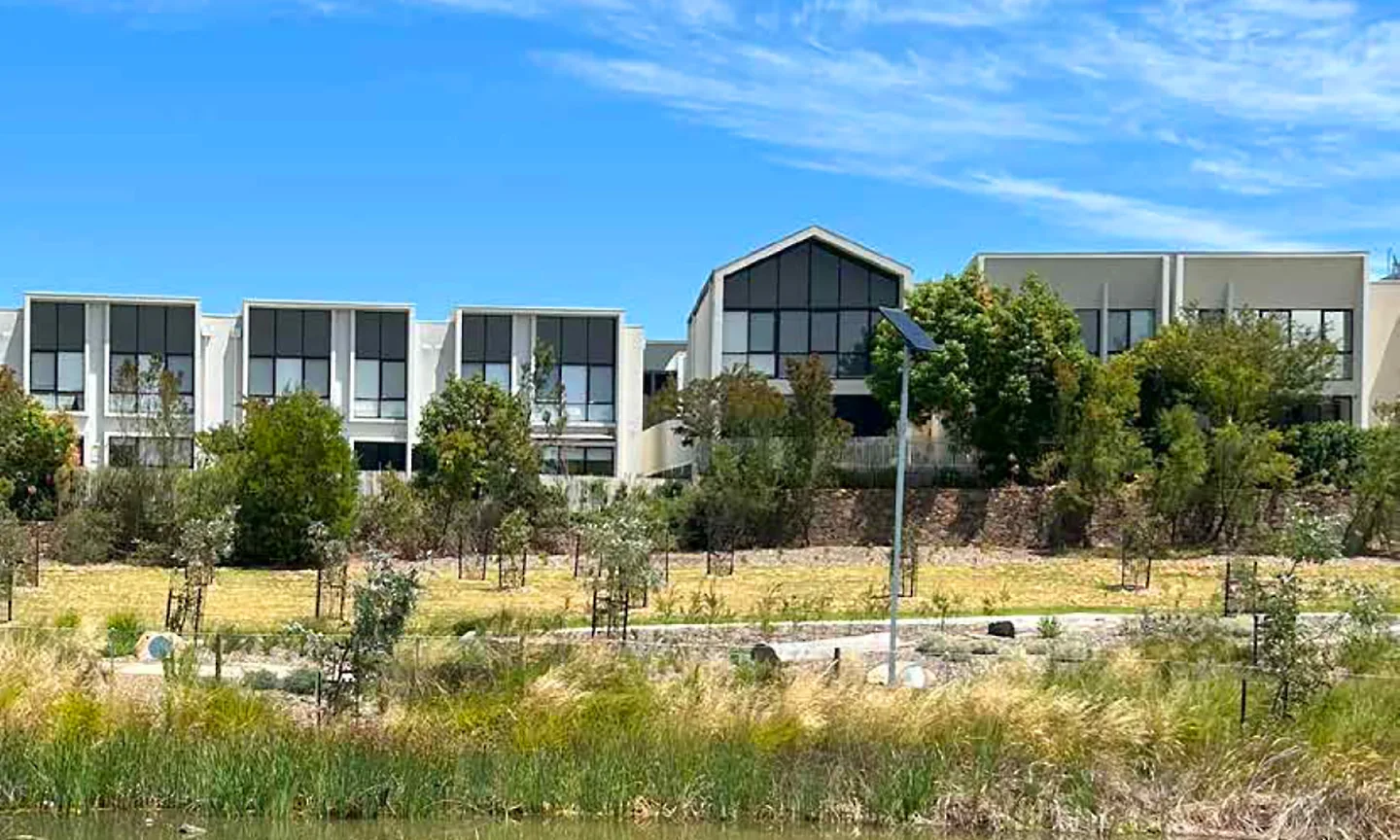
Affordable Housing and Homelessness
First Peoples reconciliation

Opportunity for all (a future)
Past campaigns:
Looking back to move forward...
Independent for Casey 2022

Casey for the Yes vote