In a nutshell…
People can live with safety, dignity, and confidence that essential needs such as healthcare, mental health support, secure housing, and emergency services are accessible when required. It depends on resilient local systems that prevent harm, respond effectively to crisis, and support people to participate fully in community life, rather than leaving them exposed to risk, isolation, or insecurity.
Community well-being and security
Local Medical Resources and Accessibility
Community members across the Yarra Ranges have iterated concerns about gaps in medical resources, long distances to access, long wait times and increasing costs.
Access to 24-hour emergency in-patient services with beds can be well over an hour drive from some parts of Yarra Ranges. There are a very small number of widely dispersed bulk-billing clinics. GP wait times for appointments are often long.
Voices for Yarra Ranges has recently formed a Community Health working group to map services and identify gaps. We would eagerly welcome offers of help to complete this project.
Major political parties prioritise health funding as part of electioneering. This mapping project is to provide a tool for lobbying on behalf of the community.
Mental Health in the Yarra Ranges
Issues according to Eastern Health and Yarra Ranges Council records:
- High psychological distress — Around 25.7% of adults report high or very high levels of psychological distress, well above the Victorian average.
- Prevalence of long-term mental health conditions — Roughly 10.3% of residents have been diagnosed with conditions like anxiety or depression.
- Youth mental health — Young adults (15–24) show particularly high rates of mental illness, self-harm, and hospital admissions.
- Service access barriers — There’s a shortage of local mental health professionals (GPs, psychiatrists), and many rely on hospital emergency departments.
- Loneliness and social isolation — Over 20% of adults report feeling lonely, and others feel undervalued by society.
Young people aged 15–24 in the Yarra Ranges are experiencing a sharp rise in mental health distress. Between 2019/20 and 2022/23, hospital admissions among this group increased by nearly 40%. The biggest jumps were for severe stress and adjustment disorders (+179%), recurrent depression (+145%), eating disorders (+72%), and anxiety (+47%). Around 13.3% of 15–24‑year-olds have a diagnosed mental health condition — higher than the general population. Barriers like cost, transport, and limited local specialists amplify the challenge.
Voices for Yarra Ranges has started mapping available resources to inform future endeavours.
Disaster Management and Emergency Services
A re-occurring theme in Voices for Yarra Ranges listening campaigns has been community concerns about disaster responses and resilience. Insurance premiums are becoming prohibitively expensive and there is a lot of anxiety about future events given the prognostics around climate change.
Most residents of the Yarra Ranges have been directly impacted by disasters. Since 2003, the Yarra Valley and Ranges has endured a series of significant disasters:
- Black Saturday bushfires (2009): Over 26 days, fires devastated large parts of the Yarra Ranges and neighbouring regions. Lives were lost in Steels Creek, Toolangi and Yarra Glen; more than 300 homes were destroyed or severely damaged.
- Severe storms (2016): Winds up to 120 km/h caused extensive damage — 31 dwellings destroyed, trees downed, power and telecom outages.
- Bushfires (2019/2020): Although not directly effecting the Yarra Ranges, Australia’s worst bushfire season on record is a stark indicator of the threat.
- Major storm (June 2021): Over 54,000 residents lost power. Power restoration, in some instances, took months. The storm brought heavy flooding, widespread infrastructure damage, and uninhabitable homes.
- Flash floods (October 2022): Record rain caused rapid flooding — in some areas up to 75 mm fell within 90 minutes. Landslips damaged homes, roads closed, and many residents were evacuated.
These recurring disasters have exposed the region’s increasing vulnerability to extreme weather, putting serious strain on its communities and infrastructure. Community independent MPs amplify local voices, holding governments accountable for disaster preparedness and response. By highlighting gaps, advocating for evidence-based planning, and collaborating across party lines, they pressure decision-makers to invest in infrastructure, early warning systems, and resilient communities. Their independence allows them to prioritise safety over politics, driving stronger action.
Community Violence
Strong communities are built on three inseparable foundations: safe homes, real economic opportunity, and freedom from violence. In Melbourne’s outer eastern suburbs and the Yarra Ranges, pressures on all three are growing simultaneously. Housing unaffordability, rising costs of education, technological disruption, and persistent domestic violence and elder abuse are not isolated problems. They interact, compound, and reinforce one another.
An effective social safety platform must therefore be integrated and place-based. It must recognise that people cannot escape violence without housing security, cannot seize opportunity without education and economic stability, and cannot contribute fully to their communities without safety and dignity. This platform brings together housing, economic opportunity, and violence prevention into a coherent agenda for the outer east and Yarra Ranges.
Safety Begins With Housing Security
Secure, affordable housing is the cornerstone of both economic participation and personal safety. In the outer eastern suburbs and Yarra Ranges, rental scarcity, rising costs, and limited social housing trap households in stress and, too often, in violent or abusive situations.
A progressive housing agenda for the region would:
- Treat housing as essential social infrastructure, not a speculative asset
- Expand public and community housing at scale, using public land for permanent affordability
- Strengthen renter protections to reduce forced displacement
- Provide rapid rehousing pathways for people fleeing domestic or elder abuse
Housing policy is violence prevention policy. Without stable housing, crisis services are overwhelmed, and recovery becomes fragile. In the absence of sufficient fit-for-purpose emergency shelters and ongoing housing, women and children are being put up in insecure short term accommodations such as Motels, providing insufficient security and confidence to move on.
Economic Opportunity
Economic opportunity in the outer east and Yarra Ranges is increasingly shaped by rising education costs, insecure work, and declining access to assets. Young people face debt and credential inflation, while older workers and carers confront disruption without adequate retraining or income security.
An economic opportunity agenda would:
- Treat education and skills as public infrastructure, with lifelong learning pathways
- Reduce financial barriers to education and training, particularly in outer suburban and regional communities
- Rebalance systems that favour private homeowners and landlords at the expense of renters and social housing.
Broad-based opportunity is not only fairer—it is essential to productivity, resilience, and regional economic strength.
Resourcing The Transition From Abuse
Domestic violence and elder abuse strip individuals of autonomy and undermine community wellbeing. In the outer east and Yarra Ranges, geographic isolation, housing stress, and ageing populations intensify risk and limit access to support.
Community members that have suffered in abusive relationships have often been excluded from opportunities for economic self-sufficiency and need direct resourcing and interventions to regain autonomy. Specialised support is needed to rebuild confidence and to manage mental health issues resulting from abuse.
Integrating Resources
Too often, policy responses are siloed. Housing, violence prevention, education, and employment systems operate independently, leaving people to navigate complexity during moments of crisis.
Pathways should be pursued to:
- Integrate local planning across housing, health, justice, and social services
- Shared accountability for long-term outcomes, not just crisis throughput
- Investment in prevention as the most effective and fiscally responsible approach
Investing in housing, opportunity, and violence prevention delivers strong economic returns. Stable housing reduces health and justice costs. Education and skills investment lift productivity. Preventing violence avoids lifelong social and fiscal harm.
Reactive systems are expensive and ineffective. Prevention, stability, and dignity are not only moral imperatives—they are sound economic strategy.
Gambling Reform
Australia faces a gambling crisis of unprecedented proportions. The nation has more poker machines per capita than anywhere else in the world, and gambling participation has surged from 57% to 65% of adults between 2019 and 2024. Over three million Australians now experience harmful gambling patterns linked to financial stress, relationship breakdown, and mental health deterioration. The normalization of gambling through pervasive advertising, particularly during sporting events, has created an environment where children are exposed to gambling promotions before they understand the risks.
The poker machine industry alone extracts billions annually from communities, with venues concentrated in disadvantaged areas where harm is most acute. Modern machines operate at speeds designed to maximize loss, with spins occurring every 2.14 seconds, creating hypnotic patterns that exploit psychological vulnerabilities. Online gambling platforms compound these harms through 24/7 accessibility and sophisticated algorithms that target vulnerable users.
Obstacles to Meaningful Reform
The primary obstacle to reform is the gambling industry’s extraordinary political influence. The sector employs 13 lobbying firms federally, double that of the alcohol industry, and maintains what critics describe as “open door” access to senior government officials. Industry representatives can secure meetings with the Prime Minister within days, while reform advocates struggle for comparable access.
The revolving door between politics and gambling lobbying creates inherent conflicts of interest. Former ministers and senior advisers transition seamlessly into lucrative industry roles, with some earning salaries exceeding one million dollars. This practice ensures the industry maintains intimate knowledge of government decision-making processes and personal relationships with current officeholders.
Financial entanglement further complicates reform efforts. Gambling companies donated over two million dollars to major political parties in recent years, while the Australian Labor Party directly owns poker machine venues generating substantial revenue. State governments depend heavily on gambling taxes to fund essential services, creating fiscal dependency that discourages aggressive reform.
The industry strategically builds coalitions with broadcasting networks reliant on gambling advertising revenue and sporting codes dependent on sponsorship deals. This creates a broad alliance of powerful interests opposed to reform. Media influence extends to editorial decisions, with reporters admitting that critical coverage of gambling is routinely censored to protect commercial relationships.
Current lobbying regulations contain significant loopholes. The lobbying code only captures third-party consultants, missing numerous in-house lobbyists working directly for gambling companies and industry associations. Cooling-off periods meant to prevent ministers from immediately becoming lobbyists are easily circumvented.
Pathways to Reform
Effective reform requires addressing both the harms themselves and the structural power imbalances preventing change. Several measures warrant consideration:
Transparency and Accountability: Comprehensive lobbying disclosure requirements should capture all industry representatives, including in-house lobbyists and industry association staff. Extended cooling-off periods of at least five years for former ministers and senior officials would reduce conflicts of interest. Political donations from gambling companies should be prohibited entirely.
Advertising Restrictions: Complete prohibition of gambling advertising during sporting broadcasts and across digital platforms would reduce normalization, particularly for young people. Several jurisdictions have successfully implemented such bans without diminishing sporting revenues.
Harm Reduction Measures: Mandatory pre-commitment limits on poker machine losses, reduced machine operating hours, and slower spin speeds all demonstrate evidence-based approaches to reducing harm. Cashless gaming technology, when designed with harm minimization rather than surveillance as the priority, may offer additional protections.
Economic Transition: States must develop alternative revenue sources to reduce dependency on gambling taxes. Economic diversification strategies for venues and workers currently dependent on poker machines would reduce political resistance.
Community Empowerment: Reform advocacy requires sustained funding independent of government or industry influence. Establishing dedicated resources for community organizations representing those affected by gambling harm would help balance the current power asymmetry.
Electoral Reform Through Independent Candidates: Voting for community independent candidates offers a direct pathway to breaking the gambling industry’s hold on major parties. Independent MPs and senators are not beholden to party machines dependent on gambling donations or pokies venue ownership. They can advocate fearlessly for reform without factional pressure or concerns about party fundraising. The rise of community independents in recent elections demonstrates that voters increasingly recognize the limitations of major parties compromised by industry influence. Supporting candidates with explicit commitments to gambling reform, transparent lobbying disclosure, and freedom from gambling industry donations can shift parliamentary dynamics and create the political space necessary for meaningful change.
The path to meaningful gambling reform demands confronting entrenched interests and structural barriers. Only by addressing both the immediate harms and the political economy sustaining them can Australia develop a regulatory framework that genuinely protects its citizens.
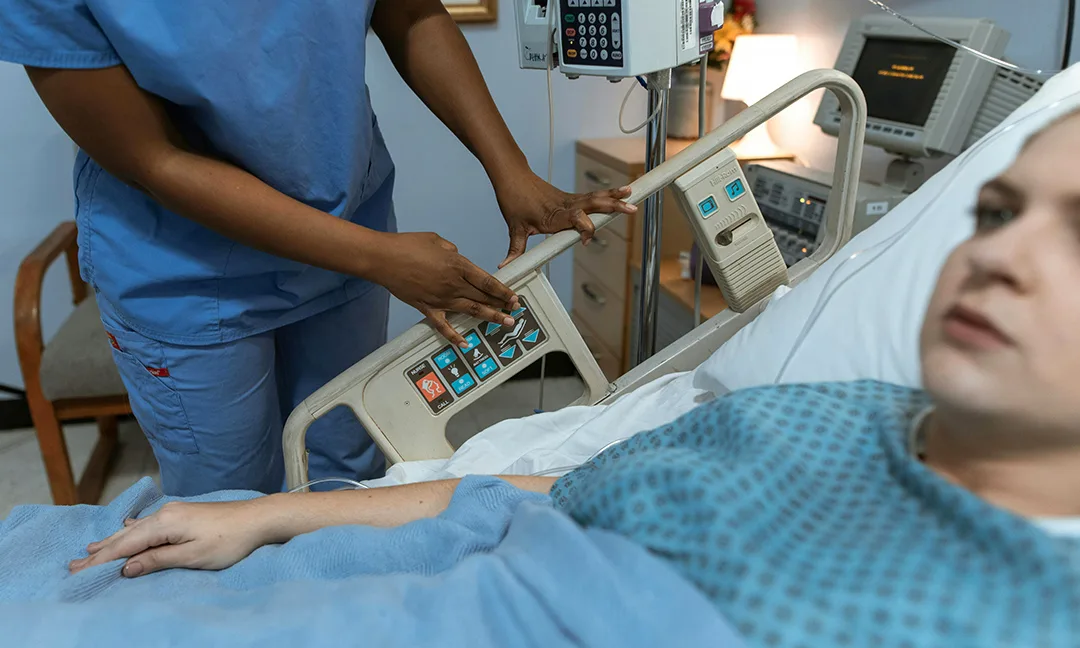
🚨 Access to 24-hour emergency in-patient services with beds can be well over an hour drive from some parts of Yarra Ranges.
Here are the six priorities…
Priorities:
Click to learn more about what we're fighting for...

Democracy and Integrity
Community wellbeing and security

Climate Change and Nature
Affordable Housing and Homelessness

First Peoples reconciliation

Opportunity for all (a future)
Past campaigns:
Looking back to move forward...
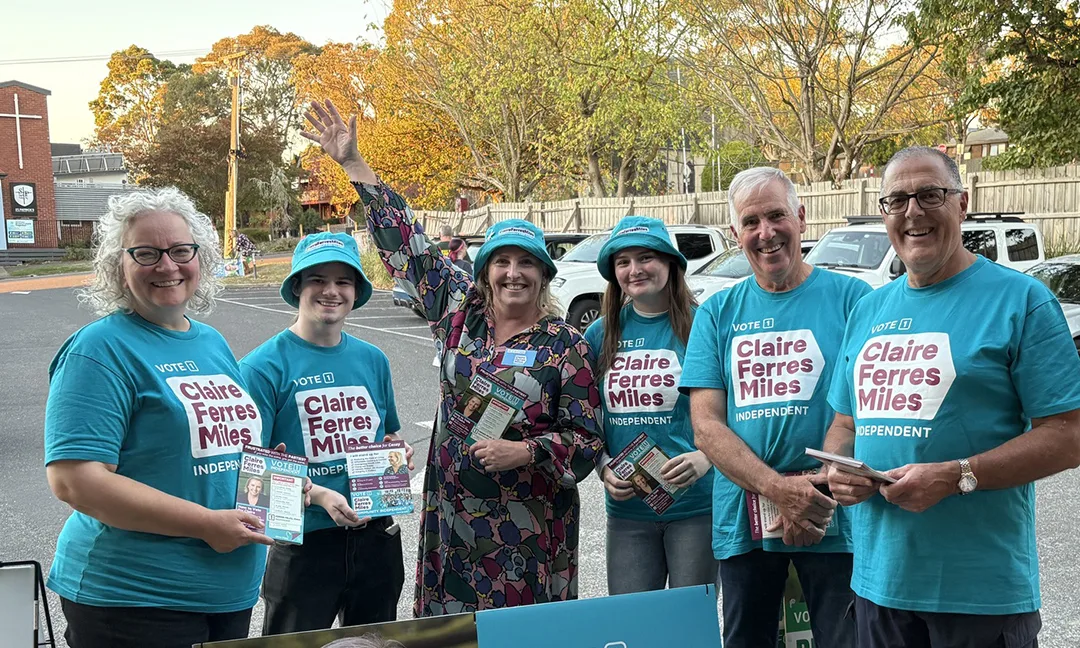
Independent for Casey 2022

Casey for the Yes vote