In a nutshell…
An ongoing, practical commitment to truth-telling, respect, and relationship between First Nations peoples and the wider community, grounded in honest engagement with history and lived experience. It involves listening to First Nations voices, recognising their enduring connection to Country, and working together to build fairer outcomes and shared responsibility for the future.
First Nations Recognition and Reconciliation in the Yarra Ranges
Introduction
Voices for the Yarra Ranges acknowledges that our community lives and works on the traditional lands of the Wurundjeri Woi-wurrung and Taungurung peoples, who have cared for Country in this region for tens of thousands of years. We pay respect to Elders past and present, and acknowledge the enduring connection of First Nations peoples to land, waters, culture, and community.
From the forested slopes of the Dandenong Ranges to the river valleys and plains of the Yarra Valley, this Country holds stories, knowledge systems, and responsibilities that long predate colonisation and continue today. These landscapes are not just places of natural beauty or economic activity, but living cultural environments shaped through careful stewardship, law, and lore.
Coranderrk and the Local History of Dispossession and Resilience
The story of Coranderrk Aboriginal Station, near Healesville, sits at the heart of the local First Nations experience. Established in the 1860s, Coranderrk became a place of cultural survival, political organisation, and resistance in the face of dispossession, restrictive government control, and forced removals.
Coranderrk was not simply imposed upon Aboriginal people; it was shaped and sustained through their leadership, labour, and advocacy. Residents fought persistently for land rights, autonomy, and dignity, leaving a legacy of organised resistance that resonates nationally. At the same time, the eventual dismantling of Coranderrk stands as a reminder of the profound harm caused by colonial policy and institutional racism.
This history is not distant. Its impacts continue to shape outcomes in health, housing, education, and economic opportunity for First Nations peoples today, including within the Yarra Ranges and outer eastern Melbourne.
Reconciliation as a Living, Local Practice
For Voices for the Yarra Ranges, reconciliation is not an abstract concept or a symbolic gesture. It is a practical, ongoing commitment to truth, respect, and relationship.
This means supporting honest engagement with local history, including the uncomfortable parts. It means listening to First Nations voices in discussions about land use, environmental protection, housing, cultural heritage, and community wellbeing. It also means recognising that reconciliation is strengthened when it is locally grounded, not imposed from afar.
Our region faces shared challenges around environmental protection, housing pressure, access to services, and long-term sustainability. First Nations knowledge and perspectives, particularly in caring for land and water, have an important role to play in shaping more resilient and respectful responses to these issues.
A Shared Future Built on Respect
Voices for the Yarra Ranges supports a future in which First Nations people are partners in decision-making, not stakeholders consulted as an afterthought. We support practical steps toward reconciliation, including truth-telling, cultural recognition, and policies that improve material outcomes for Aboriginal communities.
Reconciliation is not about assigning guilt, nor is it about erasing difference. It is about building relationships based on respect, fairness, and shared responsibility for the place we all call home.
By grounding reconciliation in local history, lived experience, and ongoing dialogue, our community can move forward together with greater understanding, integrity, and care for Country and for each other.
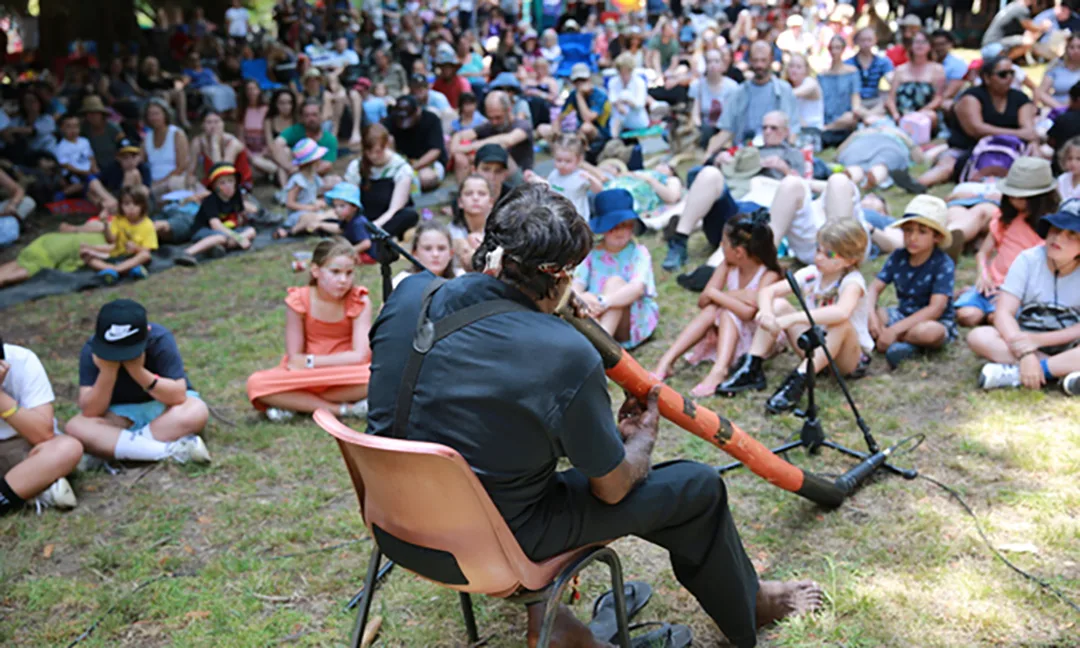
🤲 Reconciliation is not an abstract concept or a symbolic gesture, it is a practical, ongoing commitment to truth, respect, and relationship
Here are the six priorities…
Priorities:
Click to learn more about what we're fighting for...

Democracy and Integrity
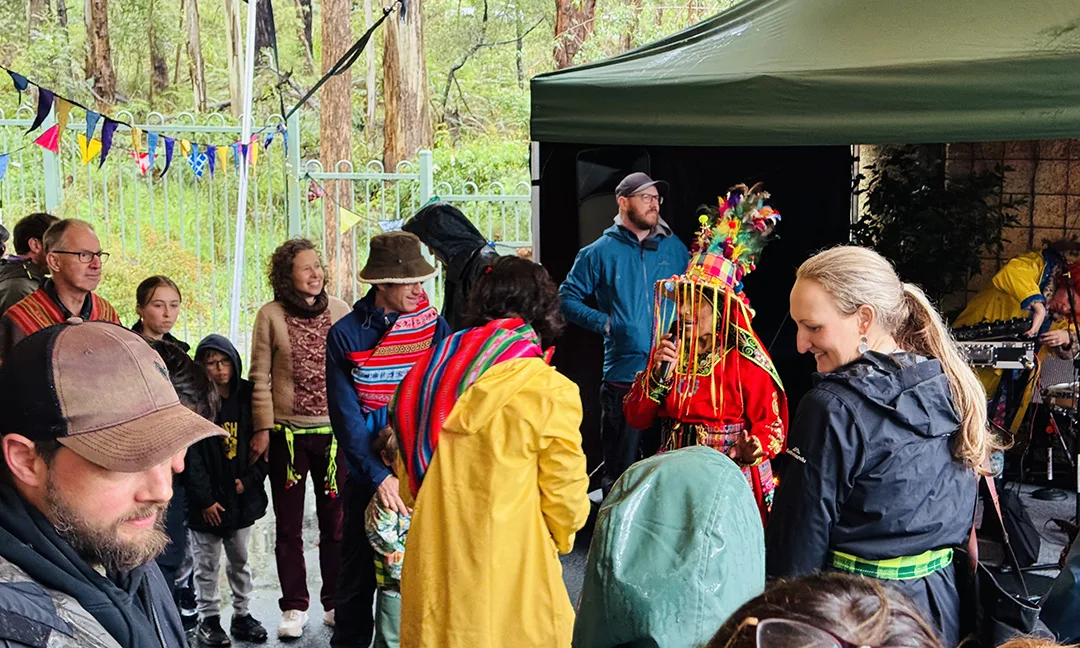
Community wellbeing and security

Climate Change and Nature
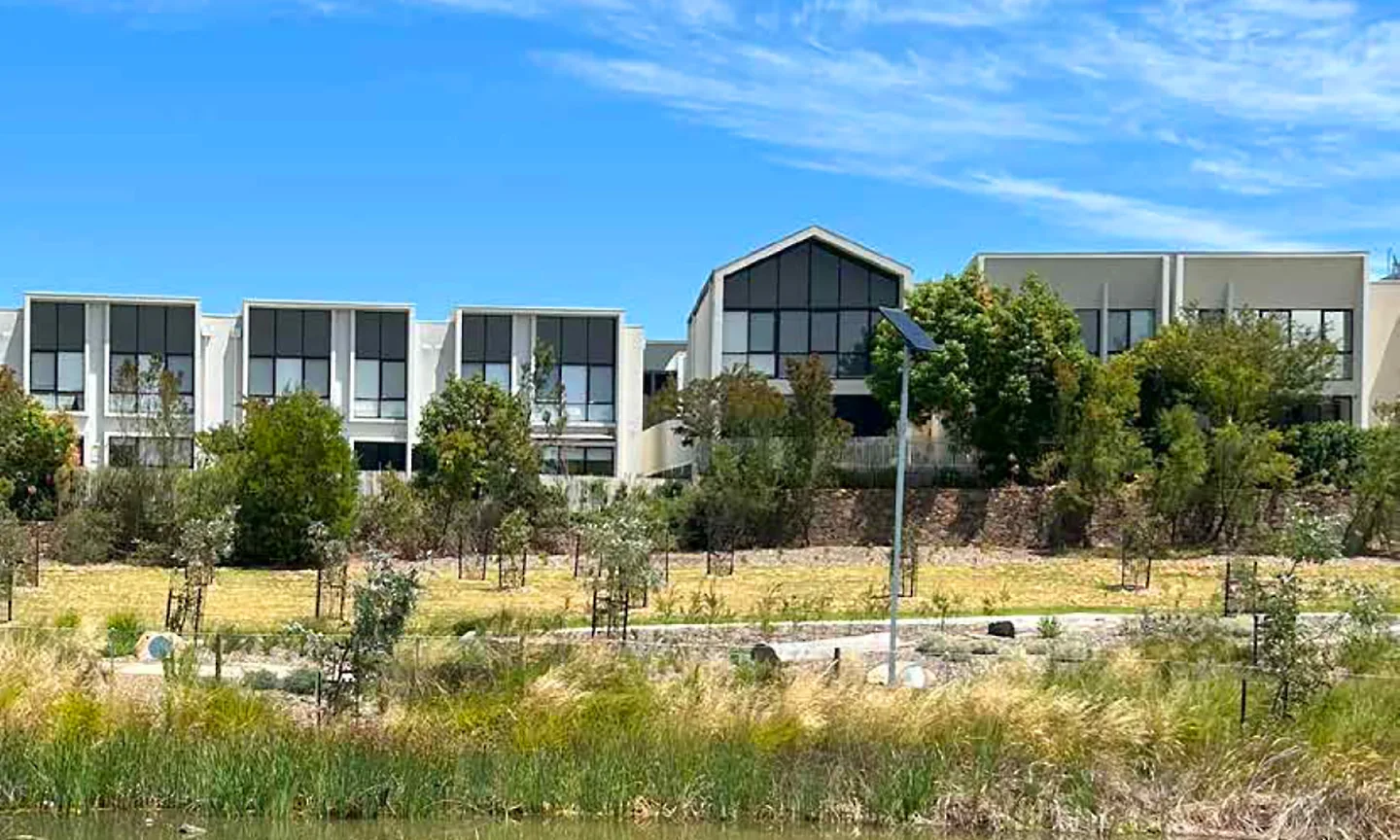
Affordable Housing and Homelessness
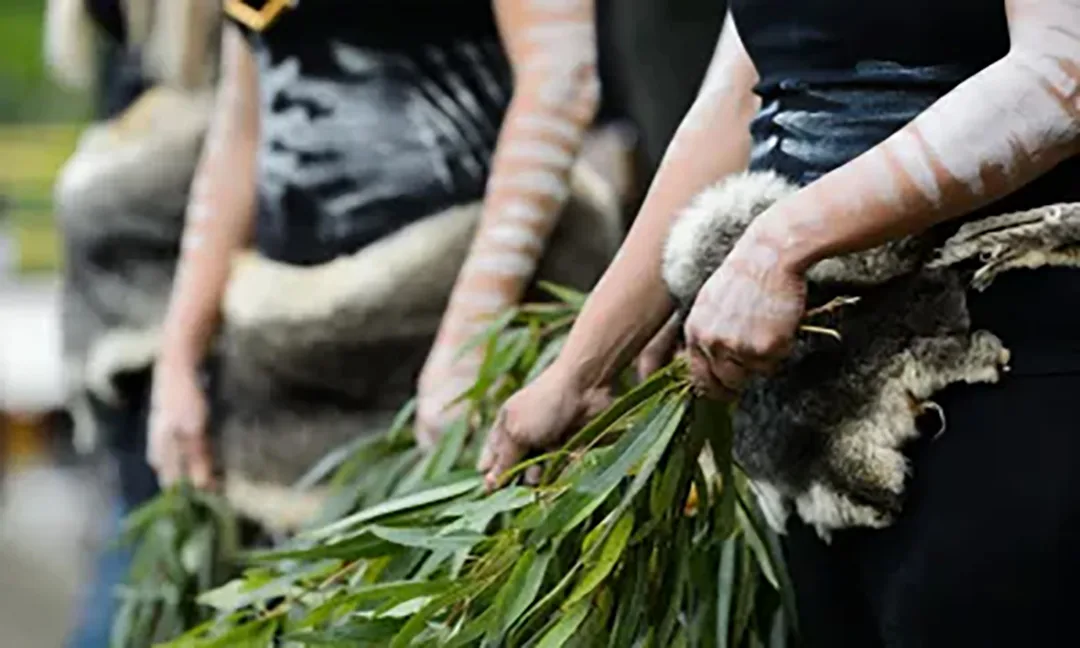
First Peoples reconciliation
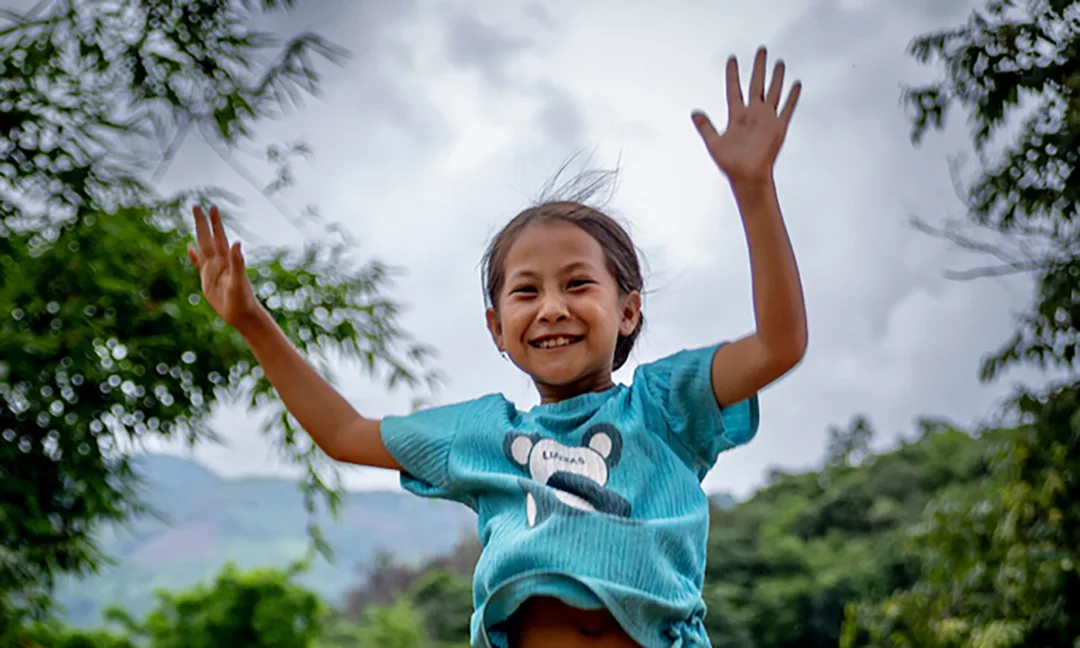
Opportunity for all (a future)
Past campaigns:
Looking back to move forward...
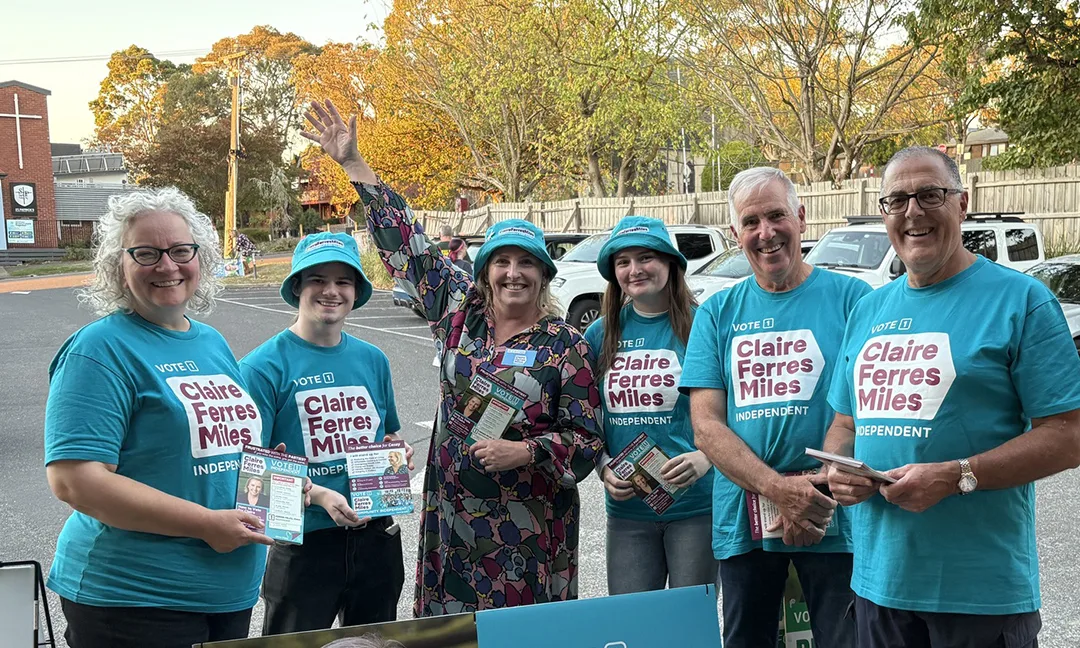
Independent for Casey 2022
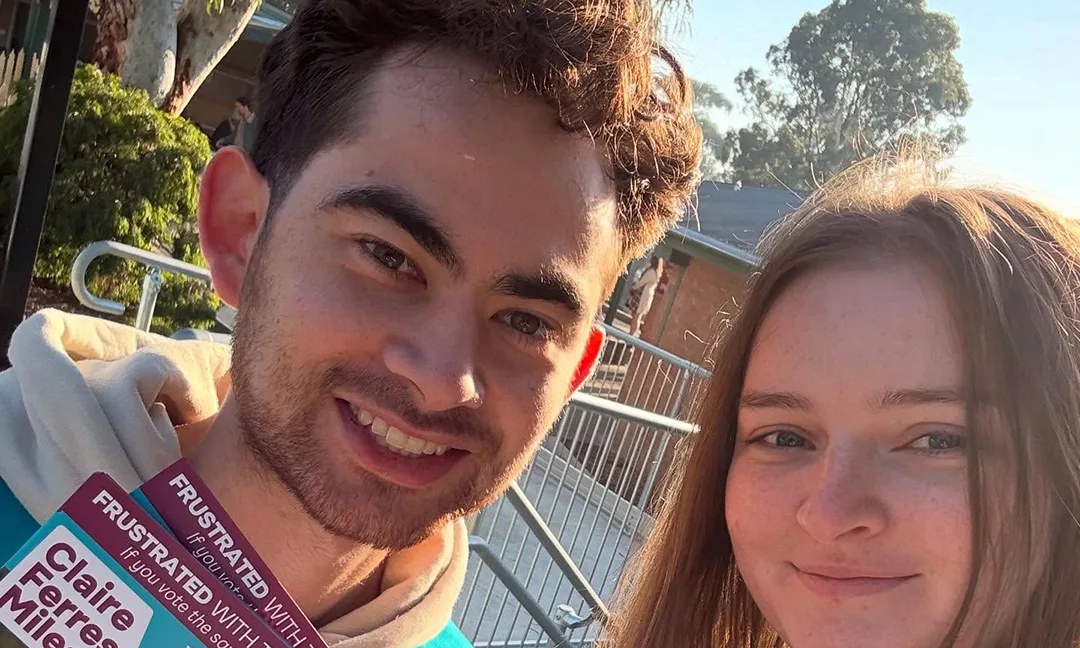
Casey for the Yes vote