Our priorities and focus
We’re listening…
Voices for the Yarra Ranges is a relatively new group. Since our beginnings in early 2022 we have conducted kitchen table conversations, community surveys and other forms of community consultation. From our work, we have identified several priorities that are important to the community.
Priorities:
Click to learn more about what we’re fighting for…

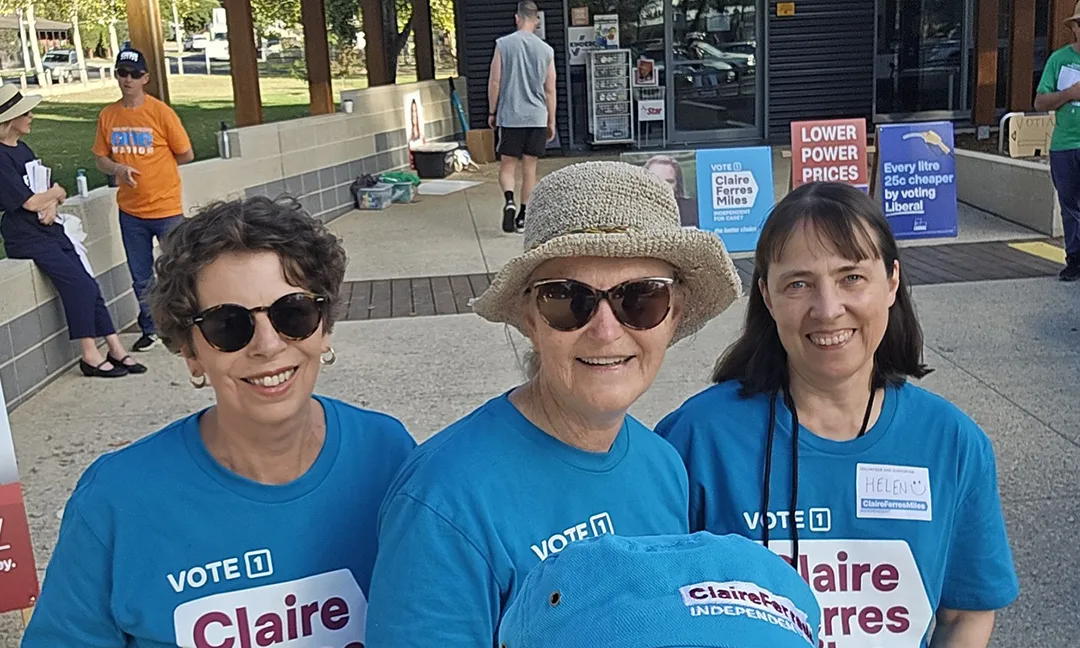
Democracy and Integrity
Community wellbeing and security

Climate Change and Nature
Affordable Housing and Homelessness
First Peoples reconciliation

Opportunity for all (a future)
Here are the priorities…
Democracy and Integrity
An erosion of democracy?
We are losing faith in politics as it stands in Australia. Too often we see leaders prioritising party interests over people, avoiding accountability and ignoring the issues that shape our daily lives. We feel unheard, frustrated by empty promises and tired of the constant blame-shifting. Trust has been eroded by years of inaction, division and short-term thinking. We believe Australians deserve better — representatives who listen, engage honestly and put communities first. It’s time to rebuild democracy from the ground up…

✨ Democracy and integrity are more important now than ever to our healthy society and communities
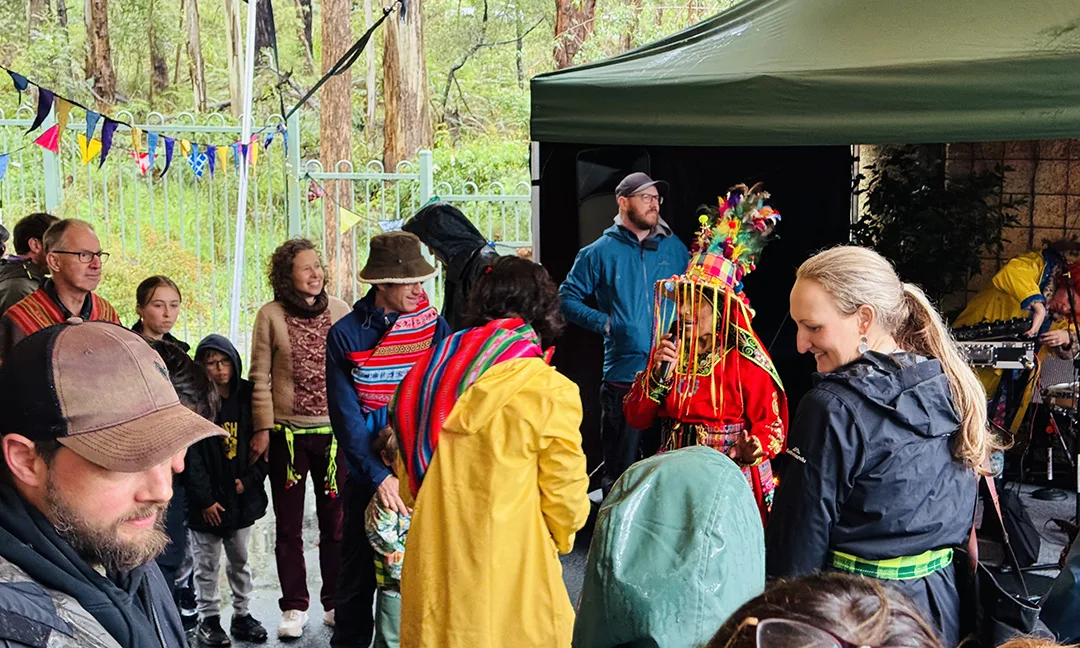
Community well-being and security
Local Medical Resources and Accessibility
Community members across the Yarra Ranges have iterated concerns about gaps in medical resources, long distances to access, long wait times and increasing costs.
Access to 24-hour emergency in-patient services with beds can be well over an hour drive from some parts of Yarra Ranges. There are a very small number of widely dispersed bulk-billing clinics. GP wait times for appointments are often long.
Voices for Yarra Ranges has recently formed a Community Health working group to map services and identify gaps. We would eagerly welcome offers of help to complete this project.
Major political parties prioritise health funding as part of electioneering. This mapping project is to provide a tool for lobbying on behalf of the community 24/365…

🚨 Access to 24-hour emergency in-patient services with beds can be well over an hour drive from some parts of Yarra Ranges
Climate Change and Nature
Introduction
As Community Independents, our policy prioritizes a science-led response to the climate and ecological crises, ensuring a healthy, resilient future for our region. We support a rapid, equitable transition to net-zero emissions by scaling up renewable energy and storage, and improving energy efficiency.
We advocate for the protection and restoration of local natural environments—including native forests, waterways, and green spaces—recognizing their vital role in carbon sequestration, biodiversity conservation, and community well-being. This includes strengthening legislation and regulations to protect high-value environmental areas. We will ensure local communities have a strong voice in shaping adaptation and mitigation strategies, fostering local jobs in the green economy, and promoting sustainable land management practices…

🐨 Climate change is increasing the frequency and intensity of extreme weather events
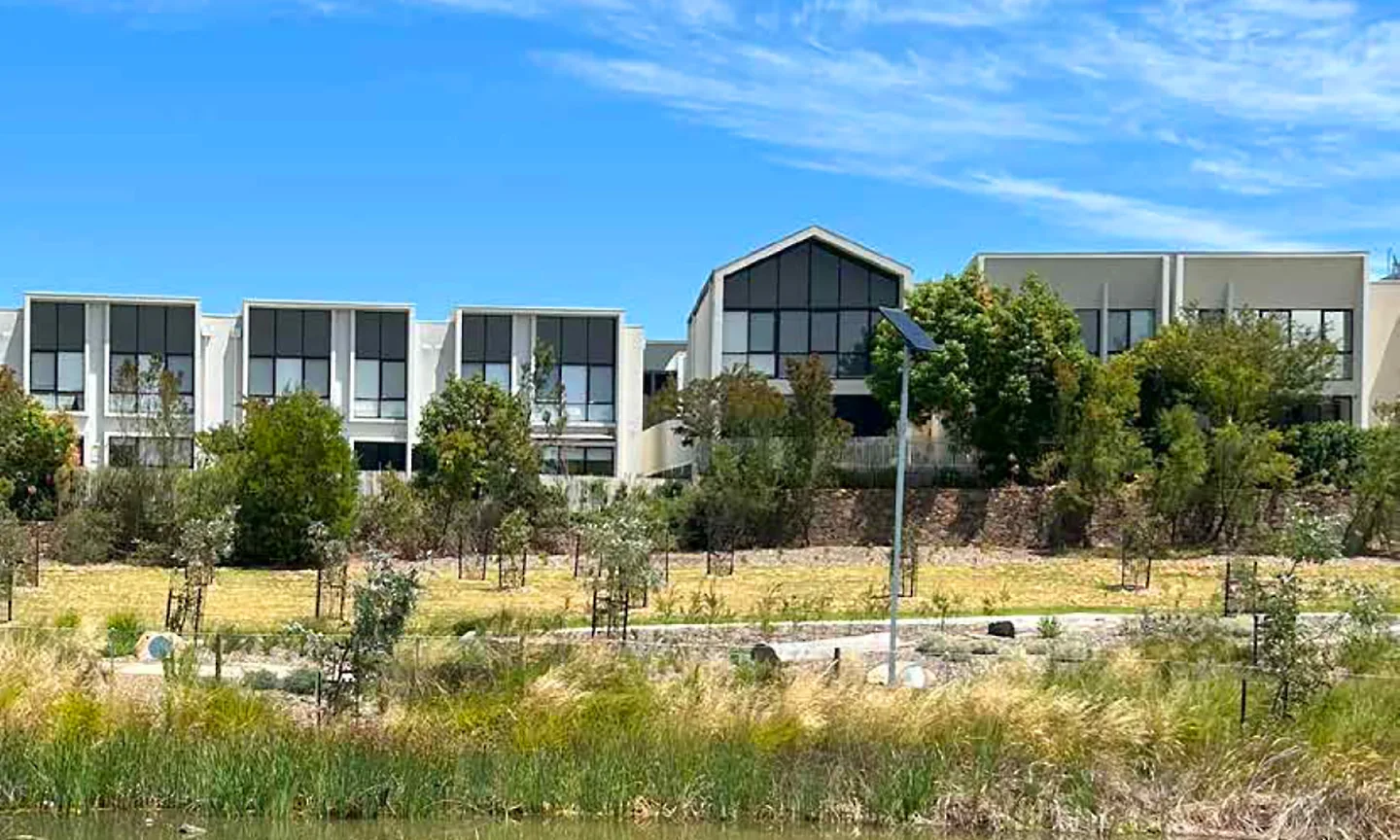
Housing Affordability and Homelessness in Victoria: A Values and Economics Case for Action
A Progressive and Crossbench Framing
Housing in Victoria sits at the intersection of values and economics. At its core, the question is simple: should secure housing be treated as a basic foundation for dignity, opportunity, and participation in society, or as a speculative asset whose allocation is left primarily to market forces? Current outcomes suggest that the balance has tilted too far toward the latter, with profound social and economic consequences.
From a values perspective, widespread housing stress and homelessness represent a failure of fairness. Victorians increasingly find that full-time work, education, or long-term community contribution no longer guarantee secure housing. Older women, young people, key workers, and Aboriginal Victorians are disproportionately affected. This undermines social cohesion and violates the widely held belief that everyone deserves a safe place to live.
From an economic perspective, these outcomes are inefficient and costly. Housing stress and homelessness impose significant fiscal burdens on the state through increased demand on hospitals, mental health services, child protection, policing, and emergency accommodation. These are reactive expenditures that deliver poor returns compared to the proven cost-effectiveness of stable, long-term housing solutions…
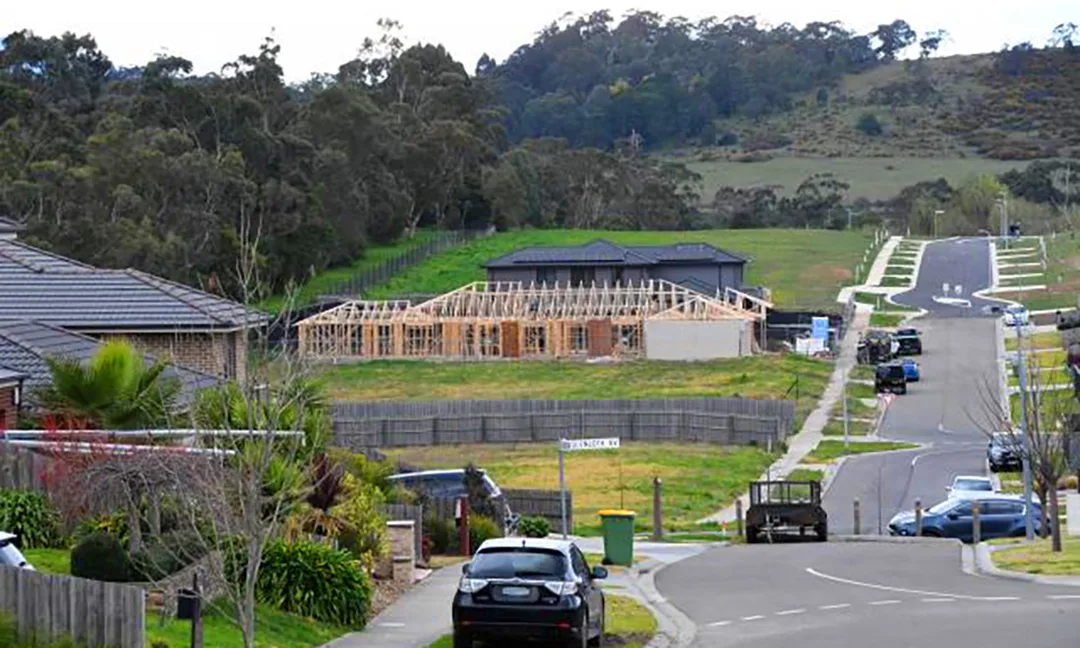
💸 Is secure housing a basic foundation for dignity, opportunity, and participation in society?
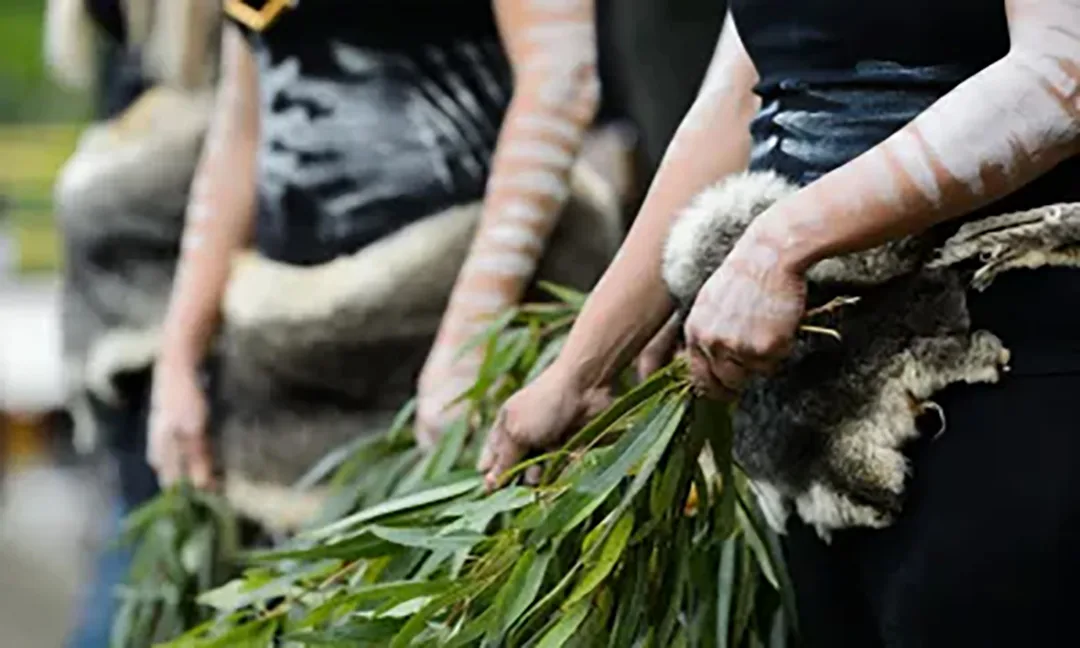
First Nations Recognition and Reconciliation in the Yarra Ranges
Introduction
Voices for the Yarra Ranges acknowledges that our community lives and works on the traditional lands of the Wurundjeri Woi-wurrung and Taungurung peoples, who have cared for Country in this region for tens of thousands of years. We pay respect to Elders past and present, and acknowledge the enduring connection of First Nations peoples to land, waters, culture, and community.
From the forested slopes of the Dandenong Ranges to the river valleys and plains of the Yarra Valley, this Country holds stories, knowledge systems, and responsibilities that long predate colonisation and continue today. These landscapes are not just places of natural beauty or economic activity, but living cultural environments shaped through careful stewardship, law, and lore…
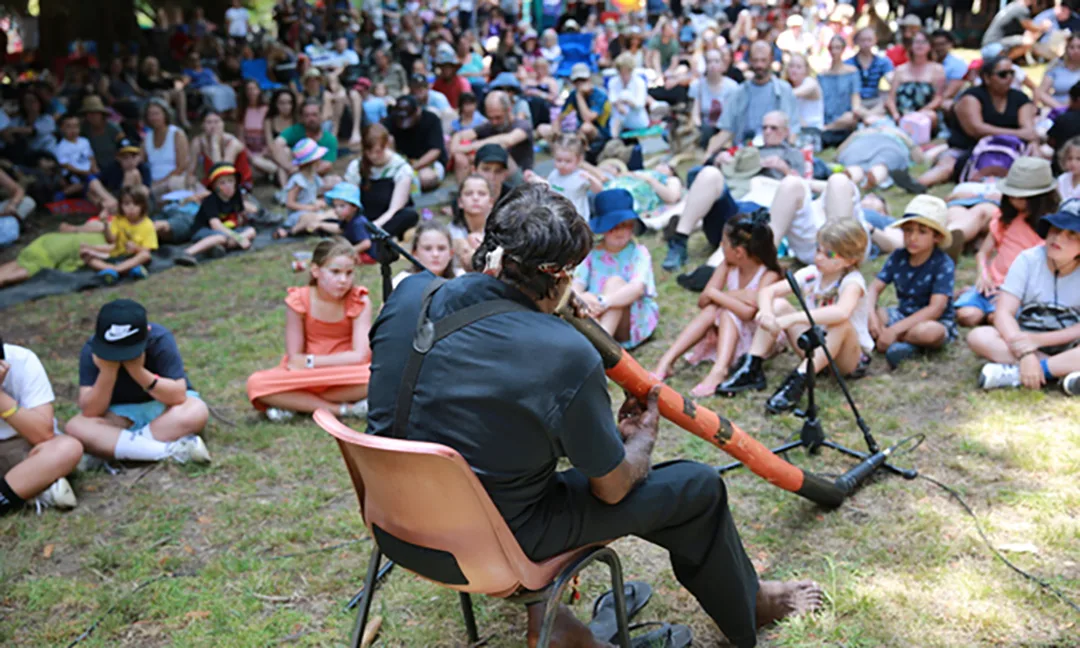
🤲 Reconciliation is not an abstract concept or a symbolic gesture, it is a practical, ongoing commitment to truth, respect, and relationship
Equitable Economic Opportunity in Victoria: A Values and Economics Case for Action
A Brief for Progressive and Crossbench Audiences
Equitable economic opportunity is both a core Victorian value and an economic necessity. The belief that effort, education, and contribution should lead to security and advancement underpins social cohesion and democratic trust. In Victoria, that belief is under increasing strain. Rising costs of education, rapid advances in artificial intelligence (AI), and the growing dominance of capital over labour are reshaping opportunity in ways that risk entrenching inequality and weakening long‑term economic performance.
From a values perspective, opportunity in Victoria is becoming less about what people do and more about what they own or inherit. Young Victorians face higher barriers to education, insecure early careers, and declining access to assets such as housing. Older workers face disruption without adequate retraining pathways. Aboriginal Victorians and people in outer suburban and regional areas continue to experience structurally limited opportunity. These trends undermine fairness and the idea of a shared Victorian future.
From an economics perspective, this trajectory is inefficient. Victoria’s prosperity depends on broad participation in skilled work, innovation, and productivity growth. When opportunity narrows, talent is wasted, labour markets function poorly, and public costs rise through higher demand for health, welfare, and justice services…
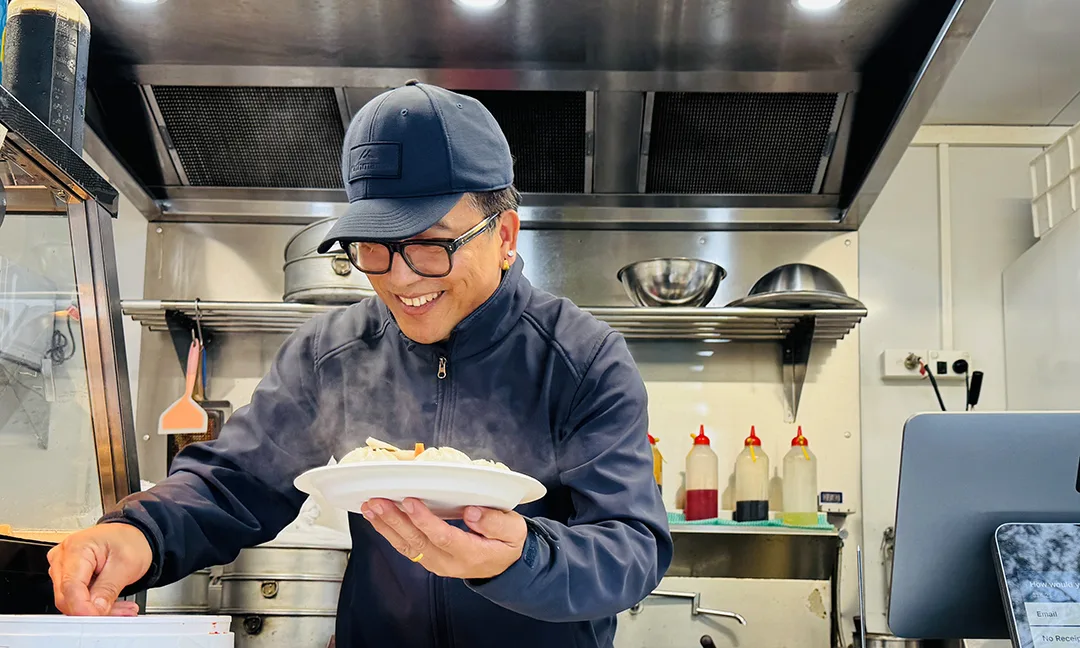
🫶 Victoria’s prosperity depends on broad participation in skilled work, innovation, and productivity growth
Past campaigns:
Looking back to move forward...
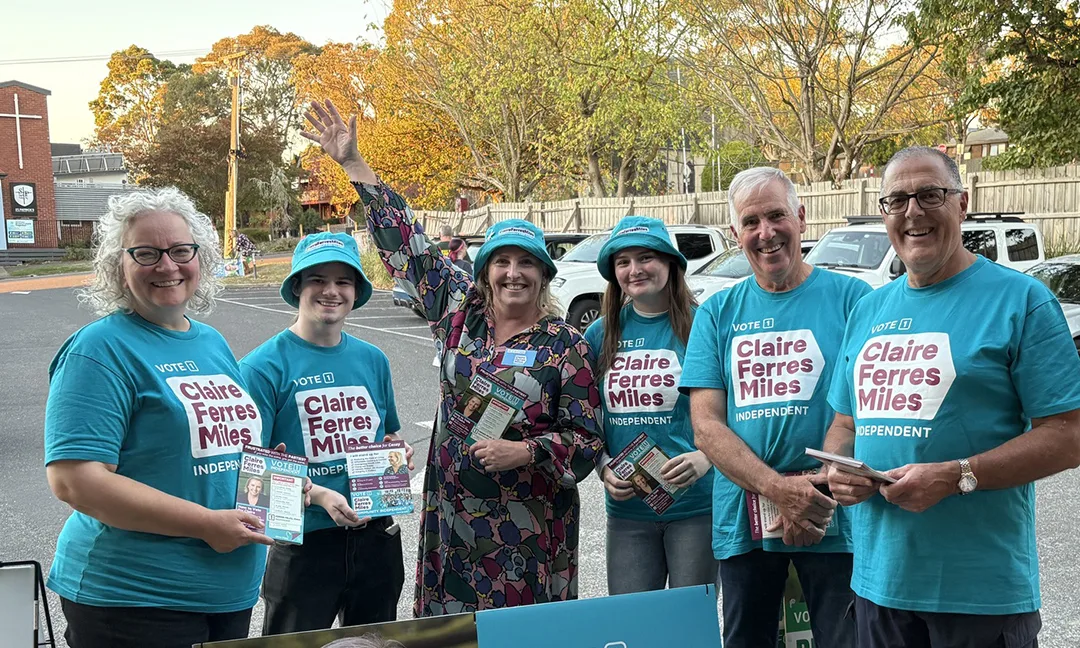
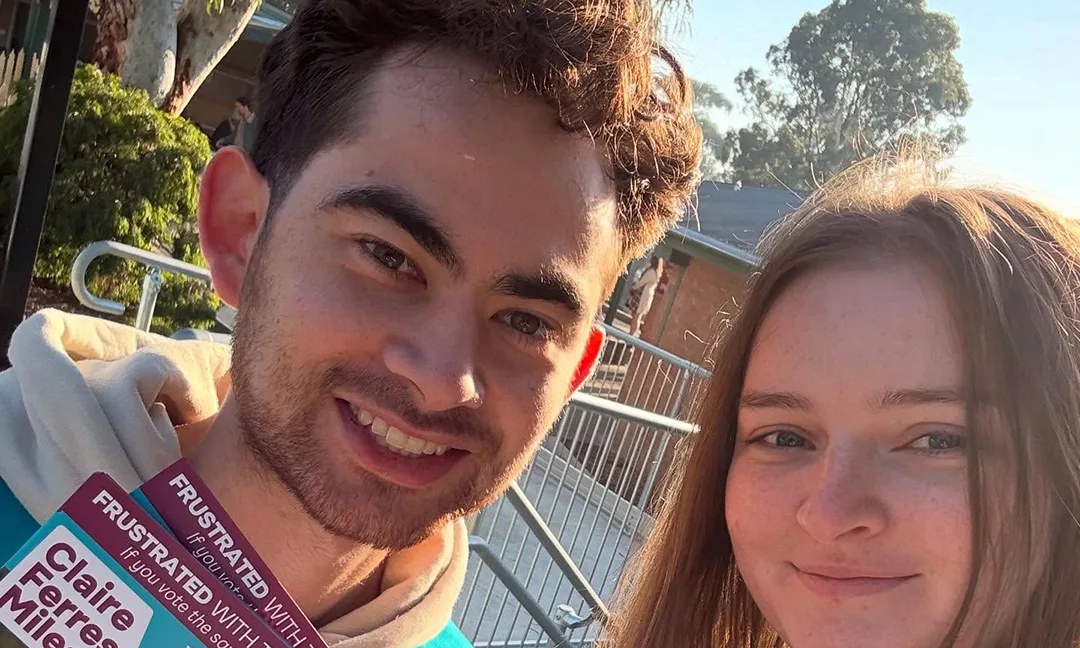
Independent for Casey 2022
Casey for the Yes vote