In a nutshell…
Can people access secure, suitable housing without unreasonable financial stress? Do rental markets provide sufficient, stable options for those who do not own a home? When these conditions fail, housing stress and homelessness emerge not as personal failings, but as the result of market and institutional shortcomings that carry significant social and economic costs.
Housing Affordability and Homelessness in Victoria: A Values and Economics Case for Action
Housing affordability issues and growing homelessness have been a very slow train coming with known solutions. That train is now a wreck. The major parties have had neither the smarts nor courage to act. They have actively allowed, through tax concessions and subsidies, the housing market to work for the benefit of a small section of society, a class within society that most politicians resemble and represent at the expense of many others. The result, housing prices beyond the reach of many, unaffordable rents and housing insecurity.
At its core, the question is simple: should secure housing be treated as a foundation for dignity, opportunity, and participation in society, or as a speculative asset whose allocation is left primarily to market forces? Current outcomes suggest that the balance has tilted too far toward the latter, with profound social and economic consequences.
From a values perspective, widespread housing stress and homelessness represent a failure of fairness. Victorians increasingly find that full-time work, education, or long-term community contribution no longer guarantee secure housing. Older women, young people, key workers, and Aboriginal Victorians are disproportionately affected. This undermines social cohesion and violates the widely held belief that everyone deserves a safe place to live.
From an economic perspective, these outcomes are inefficient and costly. Housing stress and homelessness impose significant fiscal burdens on the state through increased demand on hospitals, mental health services, child protection, policing, and emergency accommodation. These are reactive expenditures that deliver poor returns compared to the proven cost-effectiveness of stable, long-term housing solutions.
Market Failure, Not Personal Failure
Victoria’s housing crisis is not the result of individual choices or temporary shocks; it is the predictable outcome of market failure. Housing supply in well-located areas is slow and misaligned with need. Investor demand, driven by expectations of capital gain, competes directly with households seeking a place to live. Rental markets are characterised by power imbalances that limit genuine choice and security.
Markets alone cannot resolve these issues because they do not price social benefits—such as better health, educational attainment, and workforce stability—nor do they account for the long-term costs of homelessness. When these externalities are ignored, underinvestment in affordable housing is the rational market outcome, even though it is socially and economically damaging.
Institutional Failure and the Role of Government
These market failures have been compounded by institutional retreat. Victoria entered the 2020s with one of the lowest proportions of social housing in Australia. While recent investments mark an important shift, they remain insufficient relative to population growth and accumulated unmet need.
Fragmented governance across state, local, and federal levels further weakens outcomes. Planning decisions, income support, homelessness services, and tax settings often work at cross purposes. Short electoral cycles encourage crisis responses rather than sustained, preventative investment.
For progressive and crossbench audiences, this is not an argument for unchecked state expansion, but for smart, targeted government intervention where markets fail. Housing is economic infrastructure, no less essential than transport or energy. Without it, labour markets function poorly, productivity suffers, and inequality deepens.
The Economic Case for a Values-Led Response
Treating housing as essential social infrastructure delivers strong economic returns. Every additional social or affordable home reduces long-term spending on crisis services. Stable housing improves workforce participation and reduces pressure on hospitals and justice systems. Mixed-tenure developments on public land leverage private capital while preserving public value.
Evidence from Housing First programs demonstrates that providing permanent housing with appropriate supports is both more humane and more cost-effective than cycling people through emergency accommodation. Prevention and early intervention consistently outperform crisis management on both moral and fiscal grounds.
A Balanced Path Forward for Victoria
A values- and economics-based approach for Victoria would:
- Commit to long-term expansion of public and community housing at scale
- Use planning and public land to secure affordable housing outcomes
- Strengthen rental security to reduce displacement
- Integrate housing policy with health, social services, and employment
- Advocate for Commonwealth reforms that address income adequacy and tax distortions
This approach respects market activity while correcting its failures. It aligns compassion with fiscal responsibility and fairness with economic efficiency. For Victoria, restoring housing affordability and reducing homelessness is not just the right thing to do—it is the economically sensible thing to do.
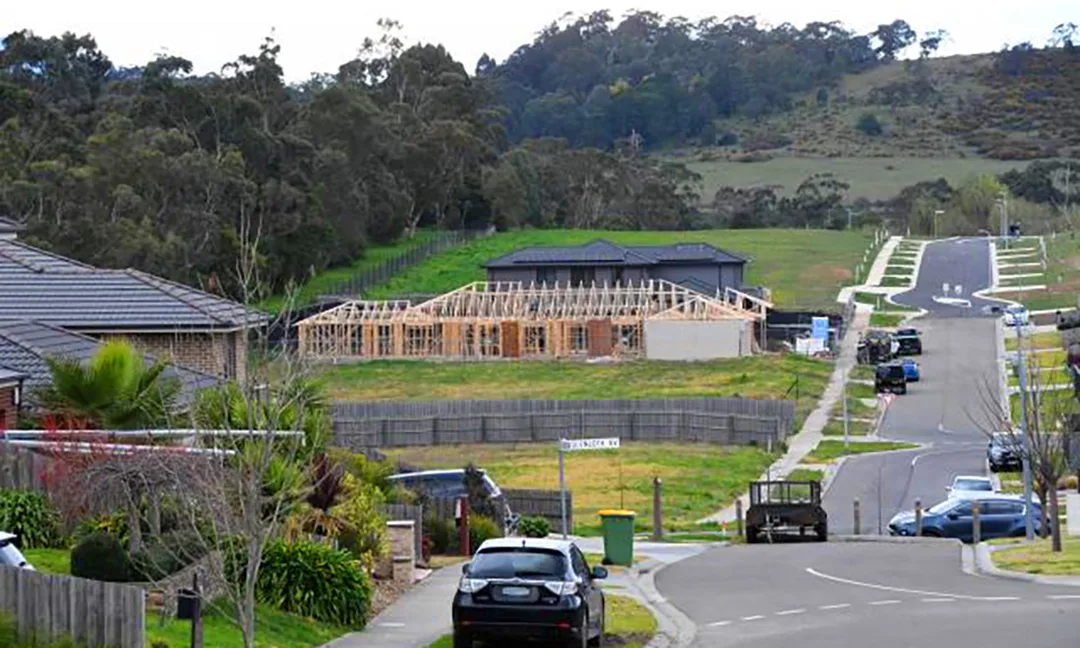
💸 Is secure housing a basic foundation for dignity, opportunity, and participation in society?
Here are the six priorities…
Priorities:
Click to learn more about what we're fighting for...

Democracy and Integrity
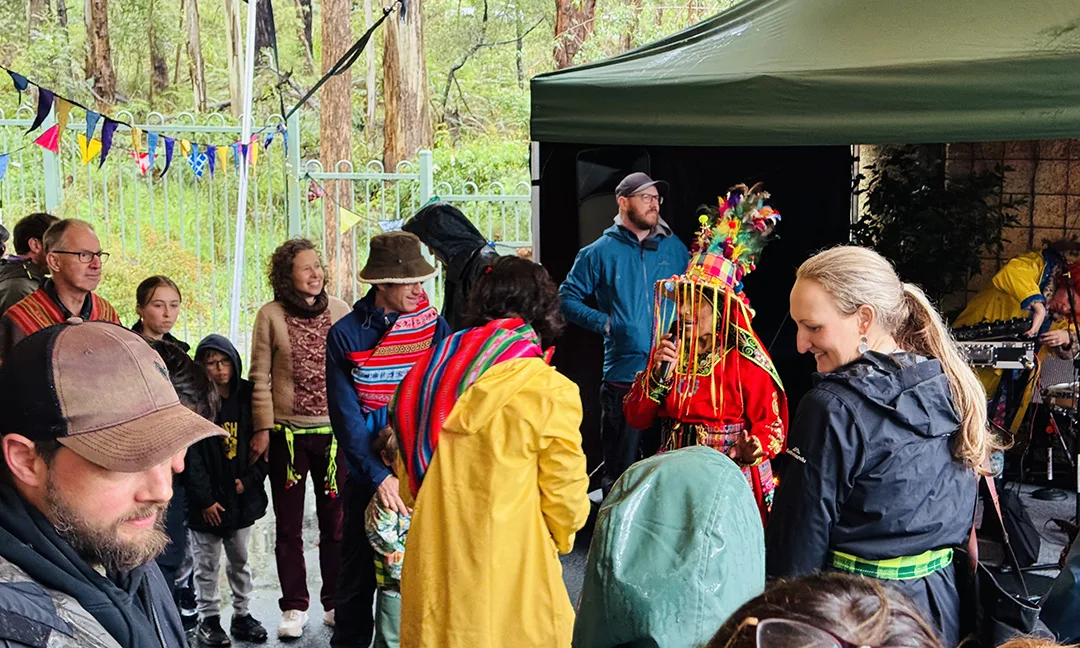
Community wellbeing and security

Climate Change and Nature
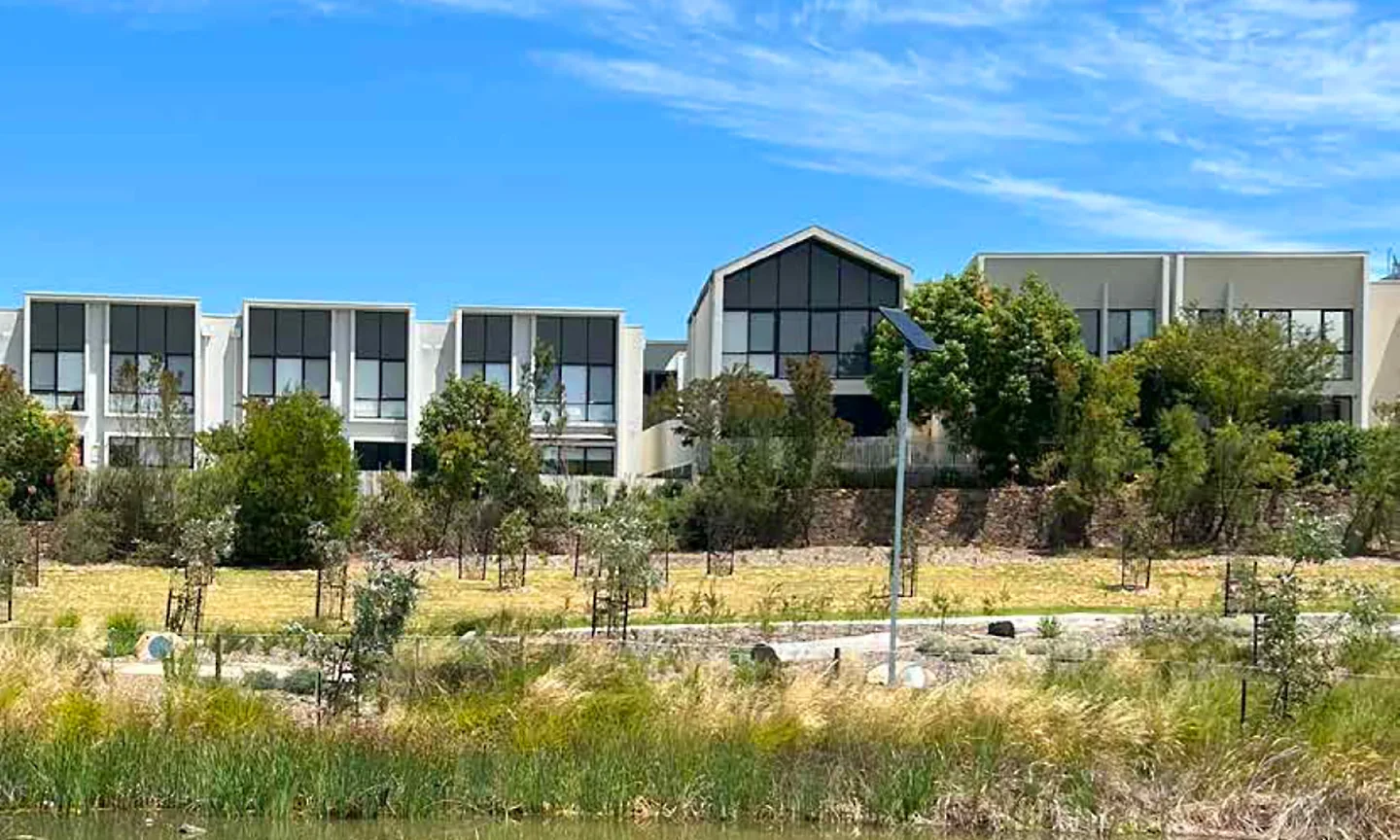
Affordable Housing and Homelessness

First Peoples reconciliation

Opportunity for all (a future)
Past campaigns:
Looking back to move forward...
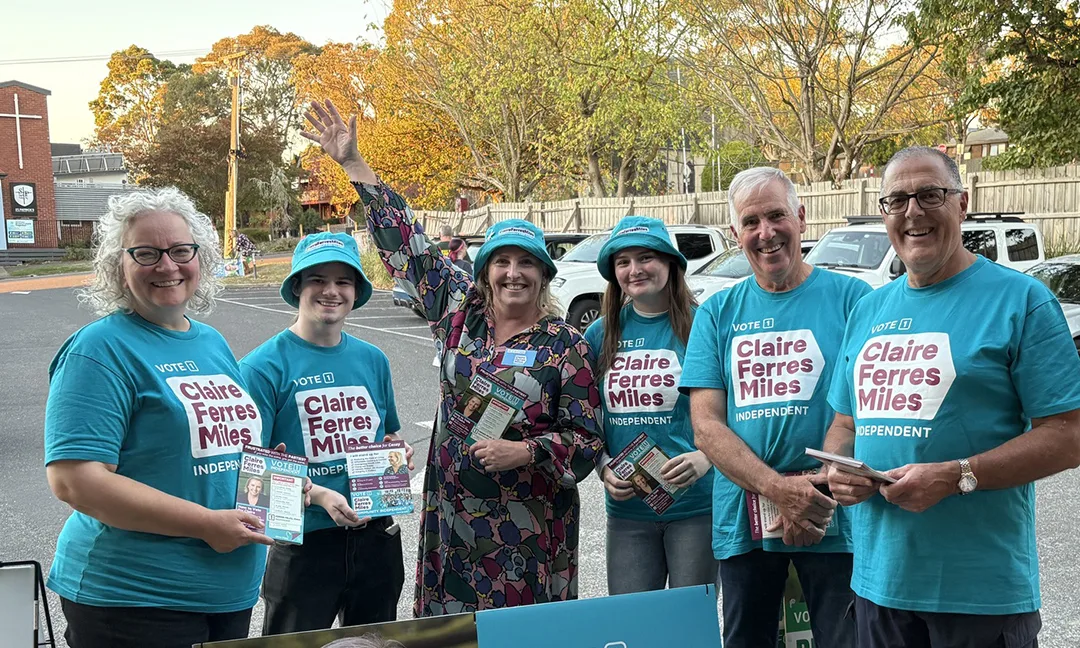
Independent for Casey 2022

Casey for the Yes vote