And we’re acting…
Voices for the Yarra Ranges is a relatively new group. Since our beginnings in early 2022 we have conducted kitchen table conversations, community surveys and other forms of community consultation. From our work, we have identified several priorities that are important to the community.
Community well-being and security
Local medical resources and accessibility
Community members across the Yarra Ranges have iterated concerns about gaps in medical resources, long distances to access, long wait times and increasing costs.
Access to 24-hour emergency in-patient services with beds can be well over an hour drive from some parts of Yarra Ranges. There are a very small number of widely dispersed bulk-billing clinics. GP wait times for appointments are often long.
Voices for Yarra Ranges has recently formed a Community Health working group to map services and identify gaps. We would eagerly welcome offers of help to complete this project.
Major political parties prioritise health funding as part of electioneering. This mapping project is to provide a tool for lobbying on behalf of the community 24/365.
Mental health support in the Yarra Ranges
Issues according to Eastern Health and Yarra Ranges Council records:
- High psychological distress — Around 25.7% of adults report high or very high levels of psychological distress, well above the Victorian average.
- Prevalence of long-term mental health conditions — Roughly 10.3% of residents have been diagnosed with conditions like anxiety or depression.
- Youth mental health — Young adults (15–24) show particularly high rates of mental illness, self-harm, and hospital admissions.
- Service access barriers — There’s a shortage of local mental health professionals (GPs, psychiatrists), and many rely on hospital emergency departments.
- Loneliness and social isolation — Over 20% of adults report feeling lonely, and others feel undervalued by society.
Young people aged 15–24 in the Yarra Ranges are experiencing a sharp rise in mental health distress. Between 2019/20 and 2022/23, hospital admissions among this group increased by nearly 40%. The biggest jumps were for severe stress and adjustment disorders (+179%), recurrent depression (+145%), eating disorders (+72%), and anxiety (+47%). Around 13.3% of 15–24‑year-olds have a diagnosed mental health condition — higher than the general population. Barriers like cost, transport, and limited local specialists amplify the challenge.
Voices for Yarra Ranges has started mapping available resources to inform future endeavours.
Disaster management and emergency services
A re-occurring theme in Voices for Yarra Ranges listening campaigns has been community concerns about disaster responses and resilience. Insurance premiums are becoming prohibitively expensive and there is a lot of anxiety about future events given the prognostics around climate change.
Most residents of the Yarra Ranges have been directly impacted by disasters. Since 2003, the Yarra Valley (Yarra Ranges) has endured a series of significant disasters:
- Black Saturday bushfires (2009): Over 26 days, fires devastated large parts of the Yarra Ranges and neighbouring regions. Lives were lost in Steels Creek, Toolangi and Yarra Glen; more than 300 homes were destroyed or severely damaged.
- Severe storms (2016): Winds up to 120 km/h caused extensive damage — 31 dwellings destroyed, trees downed, power and telecom outages.
- Bushfires (2019/2020): Although not directly effecting the Yarra Ranges, Australia’s worst bushfire season on record is a stark indicator of the threat.
- Major storm (June 2021): Over 54,000 residents lost power. Power restoration, in some instances, took months. The storm brought heavy flooding, widespread infrastructure damage, and uninhabitable homes.
- Flash floods (October 2022): Record rain caused rapid flooding — in some areas up to 75 mm fell within 90 minutes. Landslips damaged homes, roads closed, and many residents were evacuated.
These recurring disasters have exposed the region’s increasing vulnerability to extreme weather, putting serious strain on its communities and infrastructure. Community independent MPs amplify local voices, holding governments accountable for disaster preparedness and response. By highlighting gaps, advocating for evidence-based planning, and collaborating across party lines, they pressure decision-makers to invest in infrastructure, early warning systems, and resilient communities. Their independence allows them to prioritise safety over politics, driving stronger action.
A journey away from community violence
Work in progress
Support to those experiencing gambling problems and addiction
Work in progress

🚨 Mauris nunc nulla, auctor id arcu vel, dapibus tempor urna
Here are the six priorities…
Priorities:
Click to learn more about what we're fighting for...

Democracy and Integrity
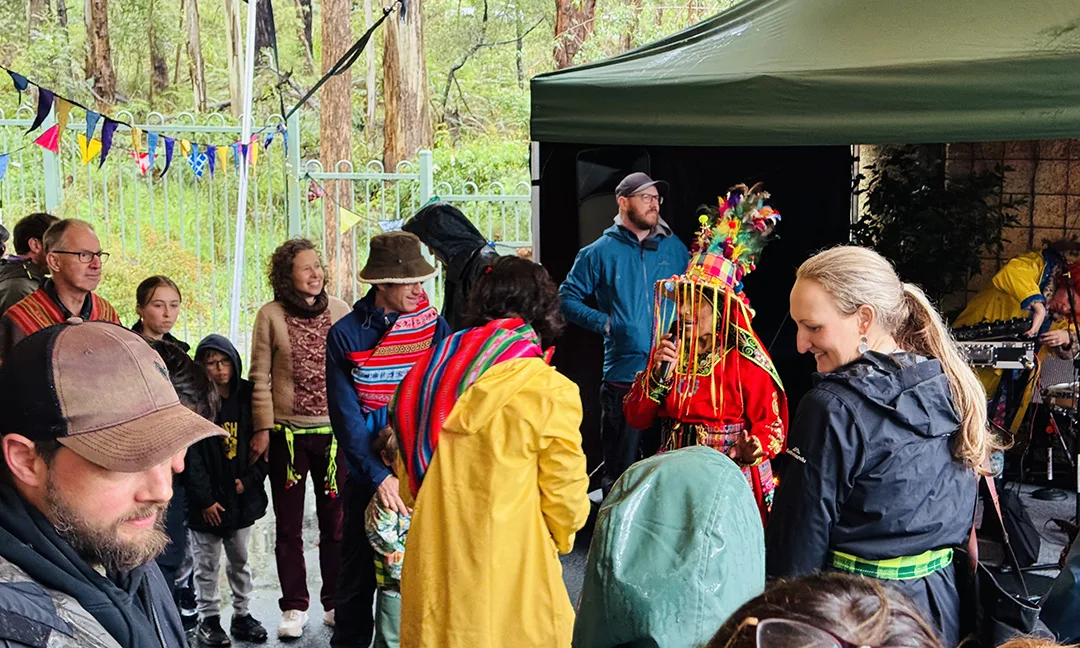
Community wellbeing and security

Climate Change and Nature
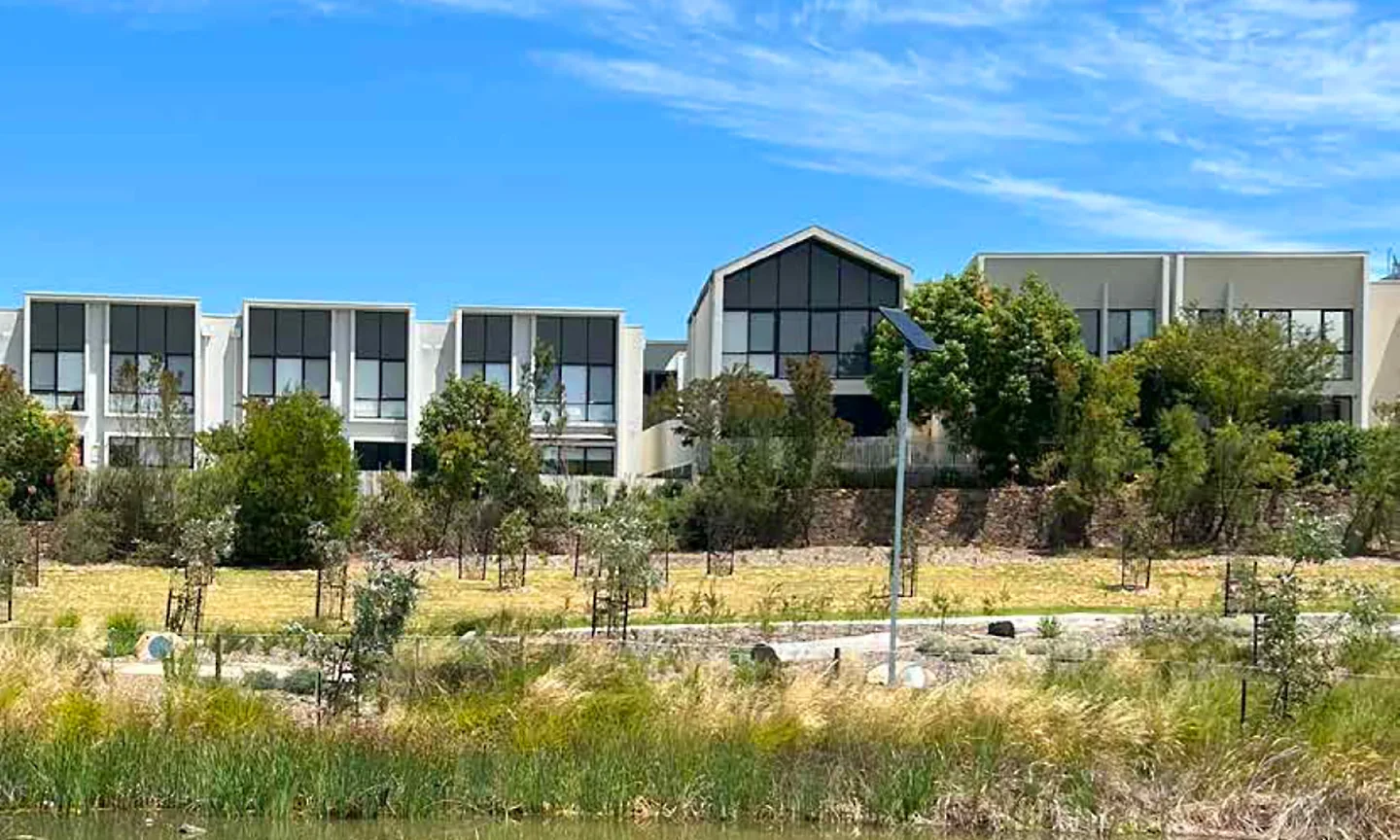
Affordable Housing and Homelessness

First Peoples reconciliation

Opportunity for all (a future)
Past campaigns:
Looking back to move forward...
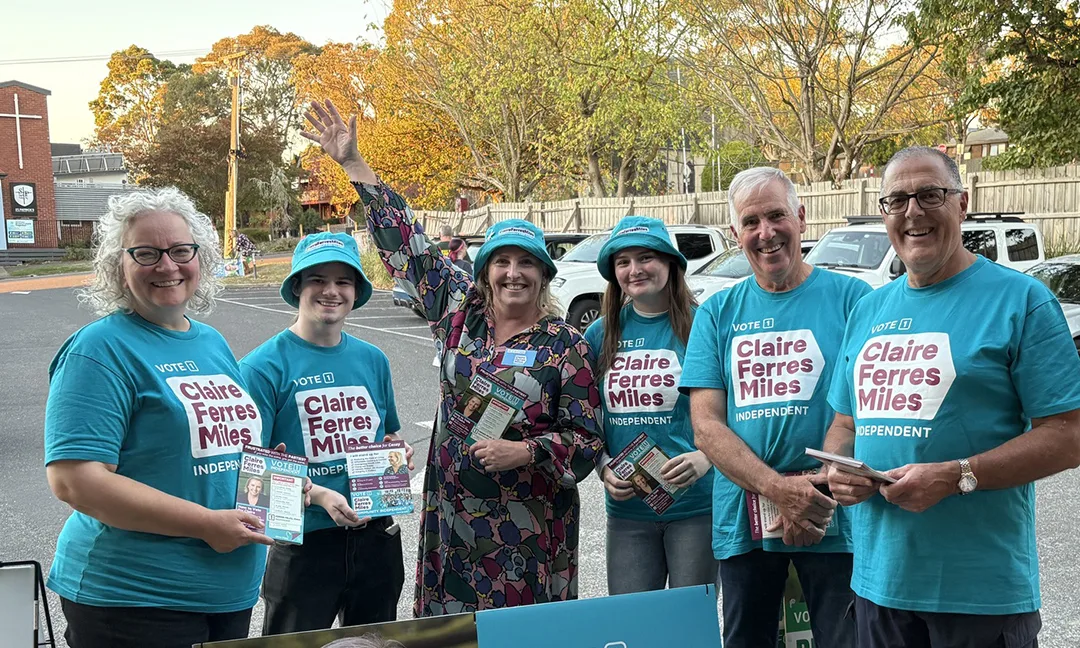
Independent for Casey 2022
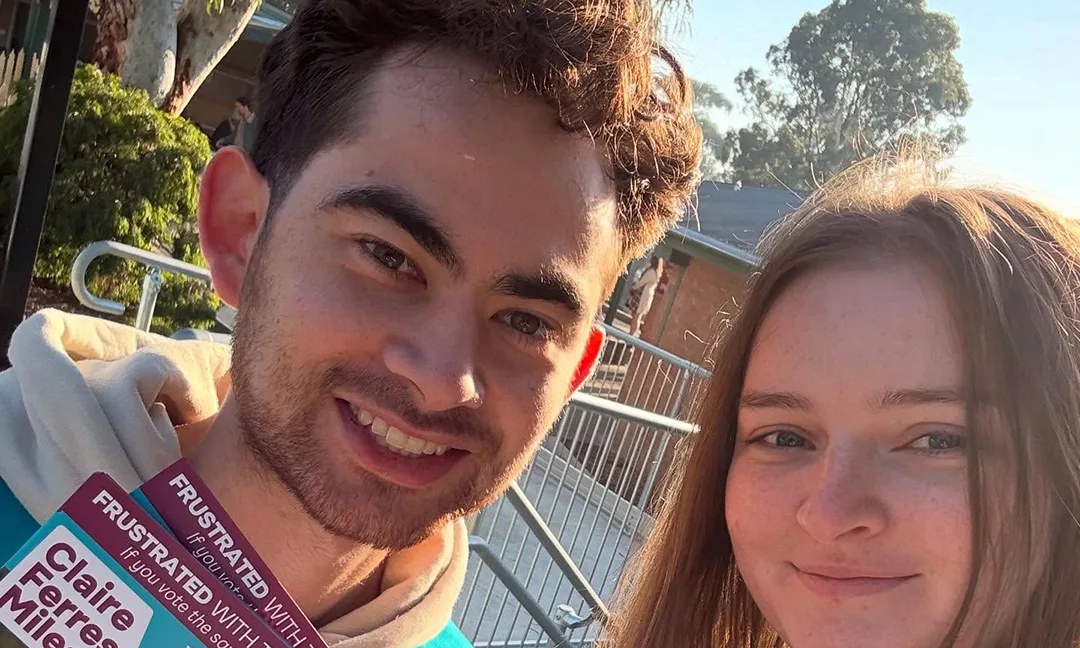
Casey for the Yes vote